The Nordic Table: Denmark's Culture & Cuisine

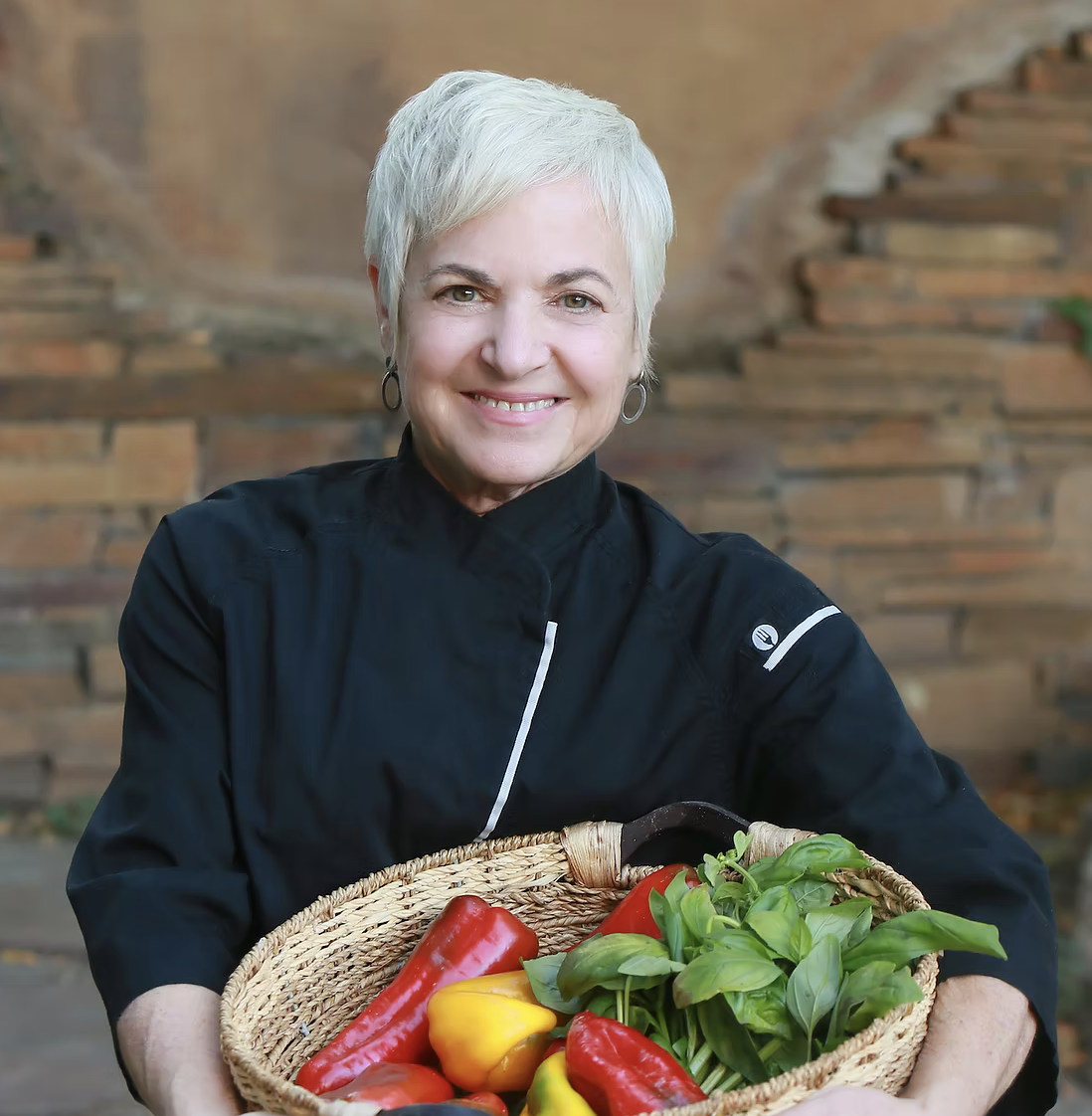
From your host, Alison Negrin

I am so excited to show you the Denmark I’ve grown to love. Long before I became a professional chef I spent many formative years living in the Danish countryside — in the kitchens of rural Denmark in the 1970s, where I learned a way of cooking rooted in seasonality and simplicity. One could say the New Nordic movement has its foundations in exactly this. It rejected centuries of French cooking techniques and declared that food could be extraordinary from what the Nordic landscape produces — local, seasonal, foraged in the wild or grown on a rooftop.

Denmark in late August and early September is something special — golden days that seem to last forever, seasonal produce at its peak, the fragrant elderflower and rock roses that line the streets of every village. On this journey we explore that culture in its full range, each stop chosen to reveal a different facet of the country that made New Nordic possible — and together they form a more complete portrait of Denmark.

We begin in Copenhagen, where we dine at a rooftop urban farm, visit the Louisiana Museum of Modern Art, learn to bake cardamom buns and taste our way through the city. Next we cross to Ærø for a three-day visit to Denmark’s most enchanting small island. We’ll stop in a city called Odense, and visit the extraordinary Hans Christian Andersen Museum designed by Kengo Kuma, before continuing to the city of Aarhus for the annual Food Festival. The journey ends with lunch at an 800-year-old castle in the Lammefjord — land reclaimed from the sea, and now the source of Denmark's finest vegetables.

Alison learned to cook in the farmhouse kitchens of rural Denmark before anyone had heard of New Nordic. She went on to train at Chez Panisse, where Alice Waters had built a California cuisine on the same foundations — seasonal, local, rooted in place — and spent decades as an executive chef in the Bay Area. She speaks Danish, knows which ferry to take, and has strong opinions about herring and smoked fish!

DATES
August 27 - September 7, 2027

Price;
Double: $7,330 pp sharing
Single: $8,790


Sample Itinerary

Day 0: Copenhagen
(optional early arrival on August 26, 2027)

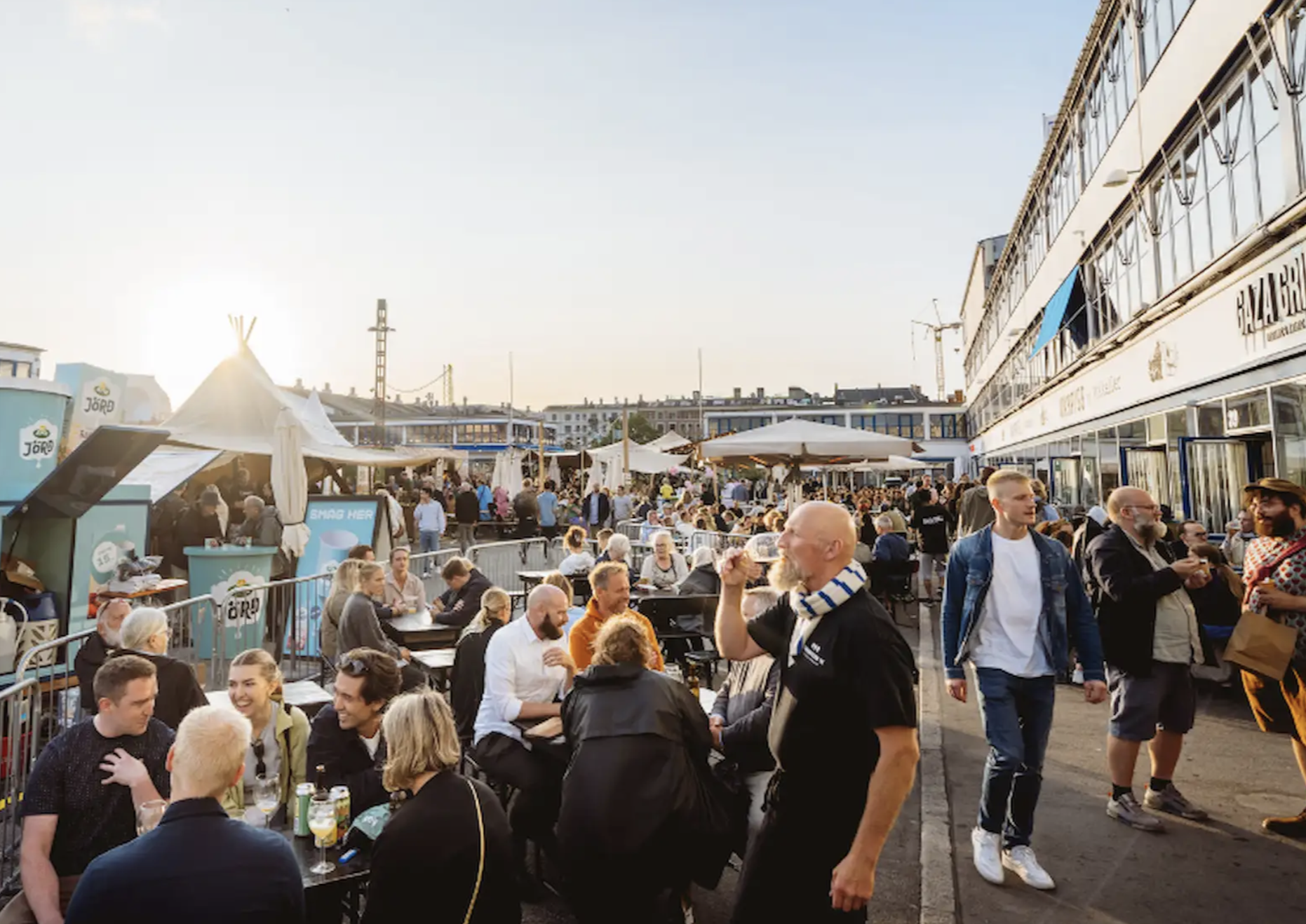
If you're arriving early in Copenhagen, consider an afternoon visit to the Copenhagen Cooking Festival which occurs annually in the last part of August. It is one of the biggest food festivals in Northern Europe and is an open-source festival that profiles Danish gastronomy by paying homage to the food culture, Nordic cuisine and the players on the gastronomic stage. We will have time to go here during our CPH stay as well. For a relaxing afternoon, visit the brand new Water Culture House (opening soon) is not to be missed, housing indoor pools beneath dramatic skylit cones and outdoor thermal baths.

No group activities on this day. Hotel and meals not included on 8/26/27. Terms and conditions can be found here. Please don’t travel without travel insurance.


Day 1: Arrival Day - Copenhagen (8/27)

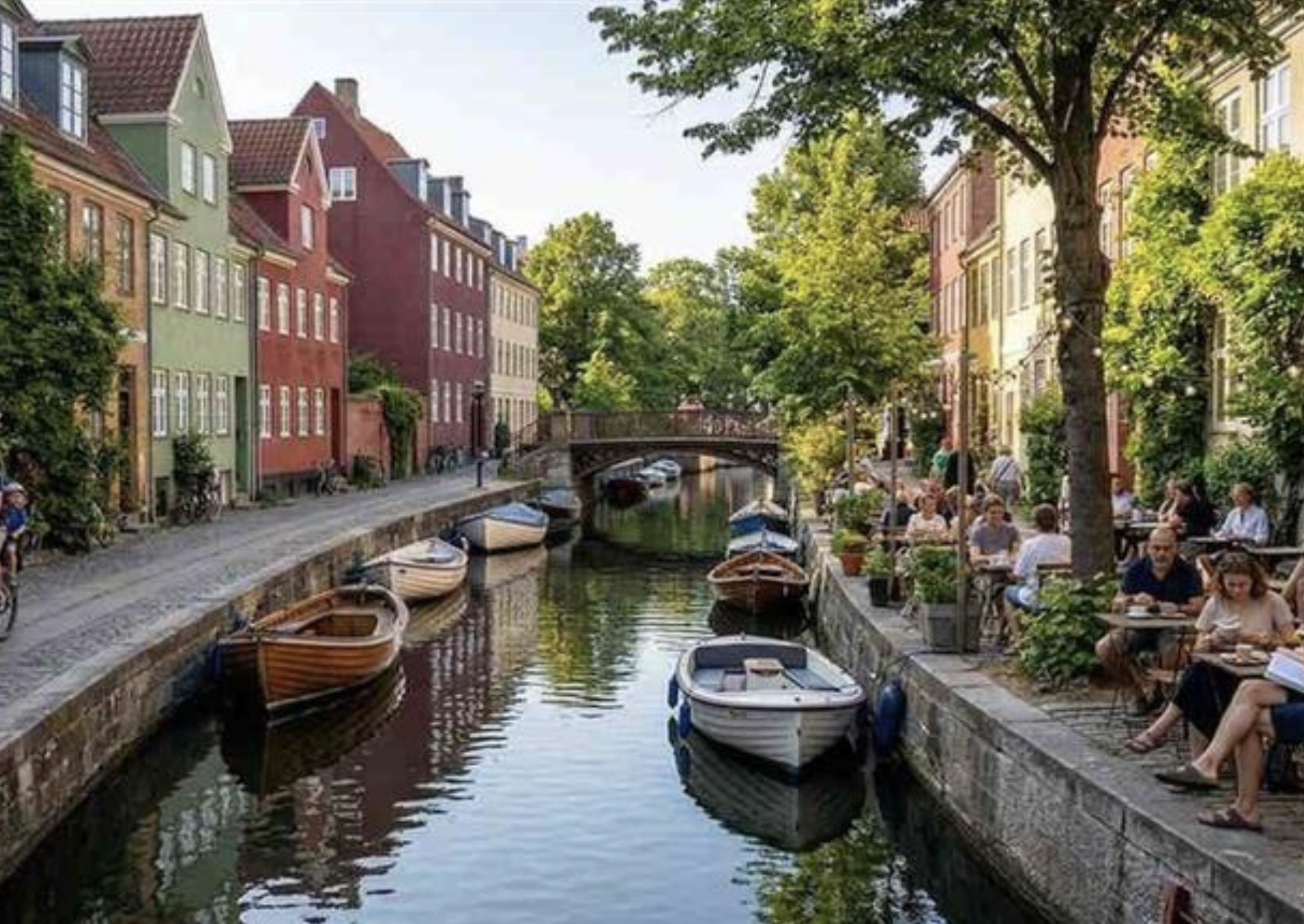
Denmark is consistently ranked among the happiest countries on earth, and Copenhagen is the epicenter of that happiness. The city is designed around people: bicycles outnumber cars, there are canals to swim in, and a food culture that takes itself seriously without being pretentious.

After you make your way to the hotel, the afternoon is yours to explore. (See options above.) A one-hour canal boat tour (included) departs from Nyhavn 3, winding past the Renaissance spires of Christiansborg, the old naval quarter of Holmen, and the sweeping waterfront. For those who prefer to stay on foot, the Latin Quarter, the Round Tower and the medieval streets of the old city are all within easy walking distance. This evening we gather for our welcome dinner.


Day 2: Elsinore → Louisiana → Karen Blixen’s House (8/28)

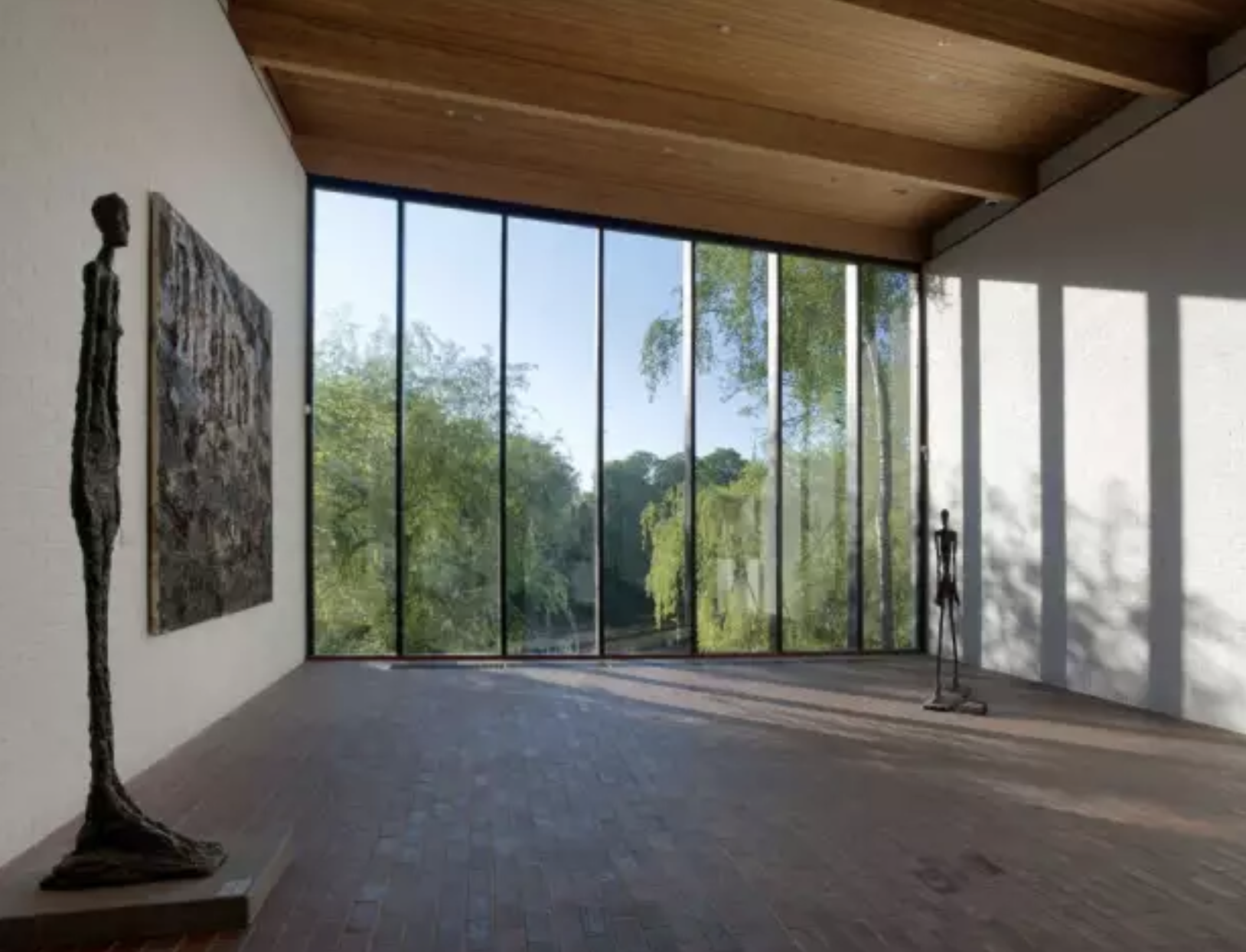
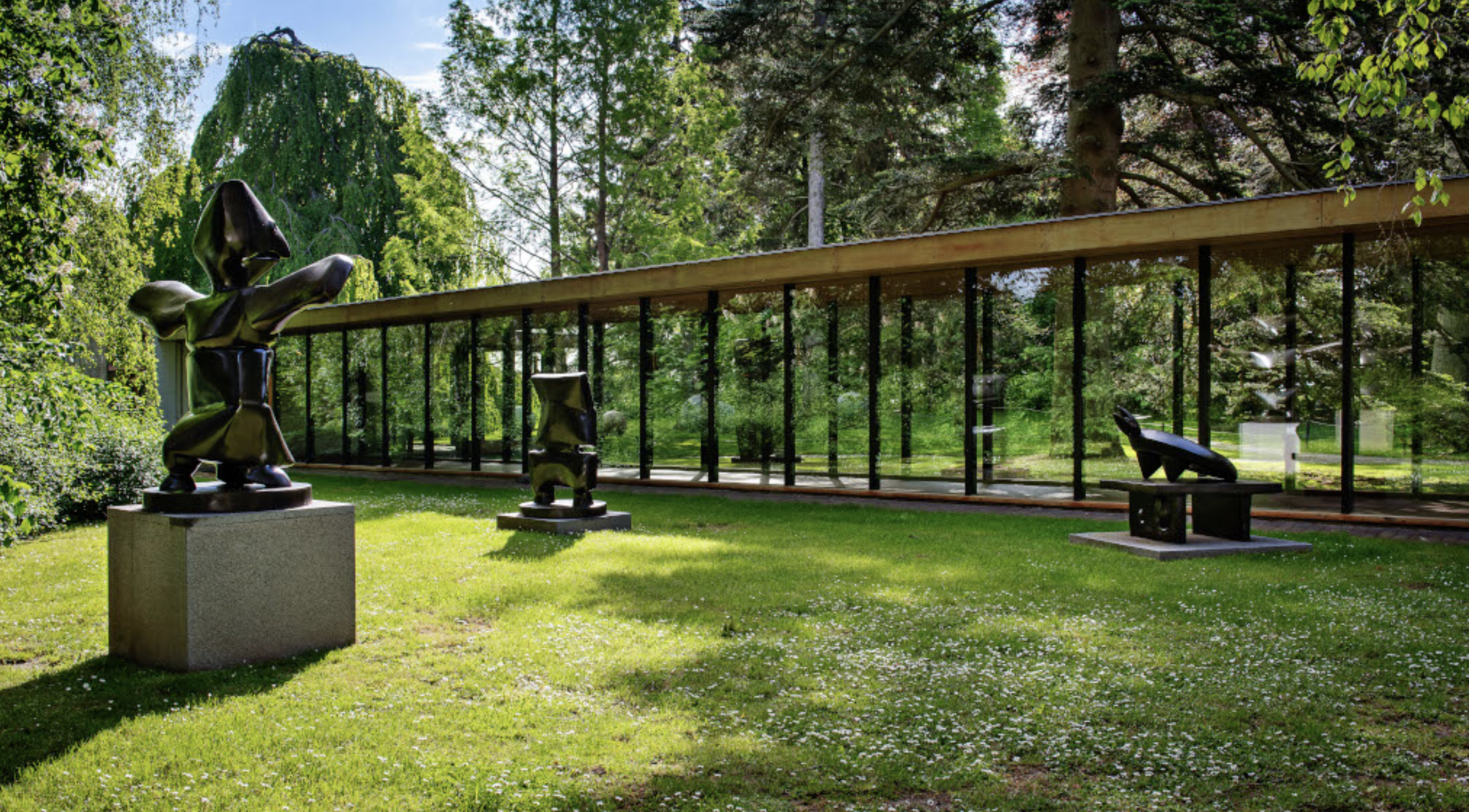
A full day dedicated to culture and the coastline. The morning takes us north of the city to Kronborg Castle, the Renaissance fortress immortalised as Hamlet’s Elsinore, perched dramatically at the mouth of the Øresund strait. Afterwards, we continue south to the Louisiana Museum of Modern Art, where world-class contemporary art meets a stunning clifftop setting above the sea. Before heading back to Copenhagen, we stop at Rungstedlund — the home of Karen Blixen, where she wrote both Out of Africa and Babette's Feast. The house sits above the Øresund, surrounded by a bird sanctuary she established herself, and has been preserved exactly as she left it when she died in 1962. Afterwards we return to the city for dinner together.


Day 3: Copenhagen (8/29)

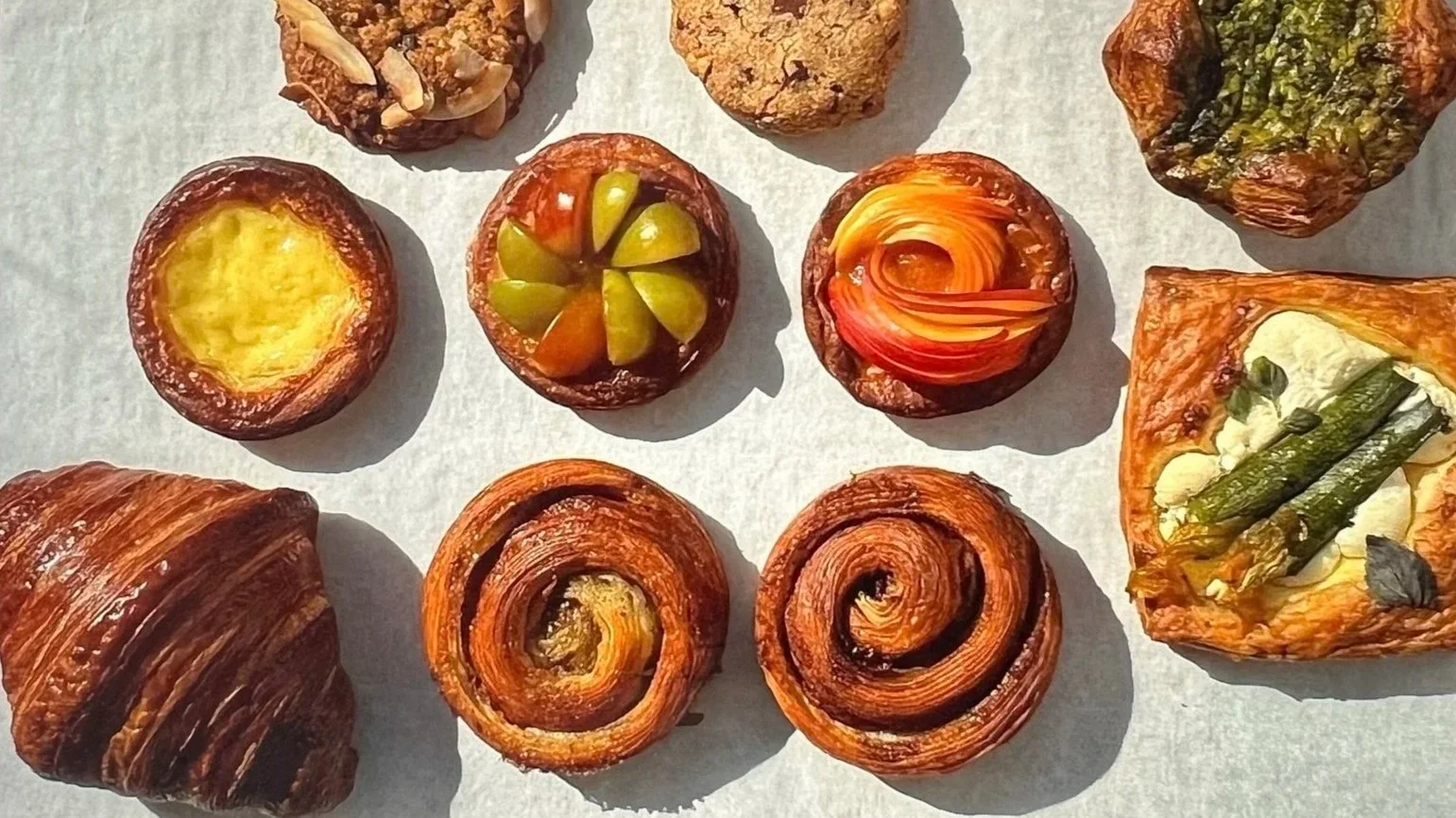
Have a light breakfast this morning, because after a leisurely start we will be led by a local guide through the historic heart of Copenhagen on a four-hour culinary walking tour, beginning at Torvehallerne market. There we will taste award-winning Arla Unika cheeses (developed in collaboration with Michelin-starred chefs), which sets the tone for what follows. A freshly baked Danish pastry at Riviera Bakery, gourmet smørrebrød at the historic Café & Ølhalle 1892, a craft beer or apple wine at SKAAL, and an organic hot dog at DØP beside the Round Tower. The day ends on a sweet note — handmade candy from Sømods Bolcher, royal supplier to the Danish Court, a piece of Lakrids by Johan Bülow, and a flødebolle from Summerbird Organic. Enjoy the rest of the afternoon exploring the city on your own.


Day 4: Copenhagen (8/30)

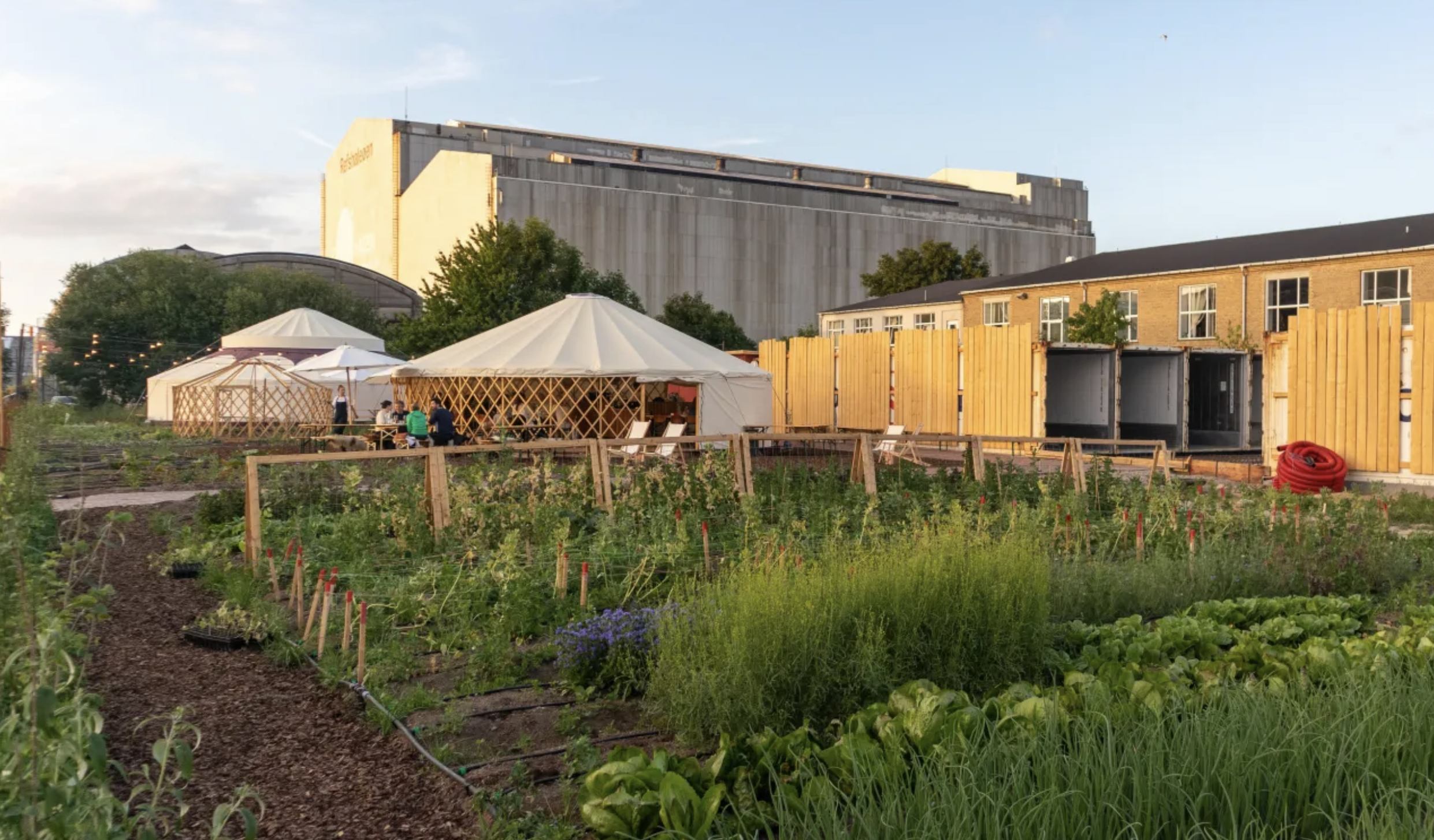
This morning we'll head to Refshaleøen, a former shipyard island at the northern tip of Copenhagen's harbour that has become one of the city's most creative and interesting areas. There, we'll take a guided tour of an urban farm and hear how the old canteen of a major shipyard was transformed into Scandinavia's largest urban farm. We'll go behind the scenes to learn about the farm's daily operations, the challenges it has faced, its successes, and why urban farming matters so much for city life. Along the way, we'll hear about their cultivation methods and taste some of their seasonal crops.

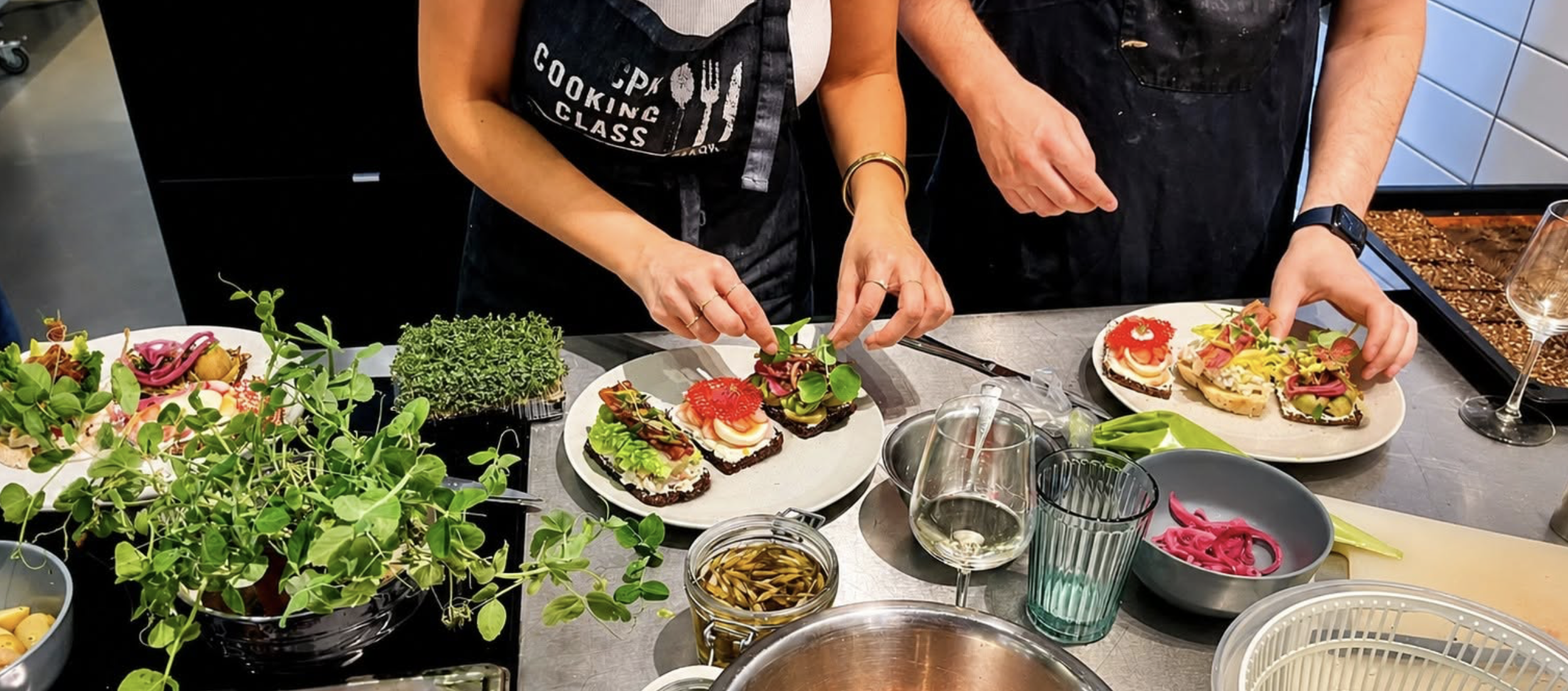
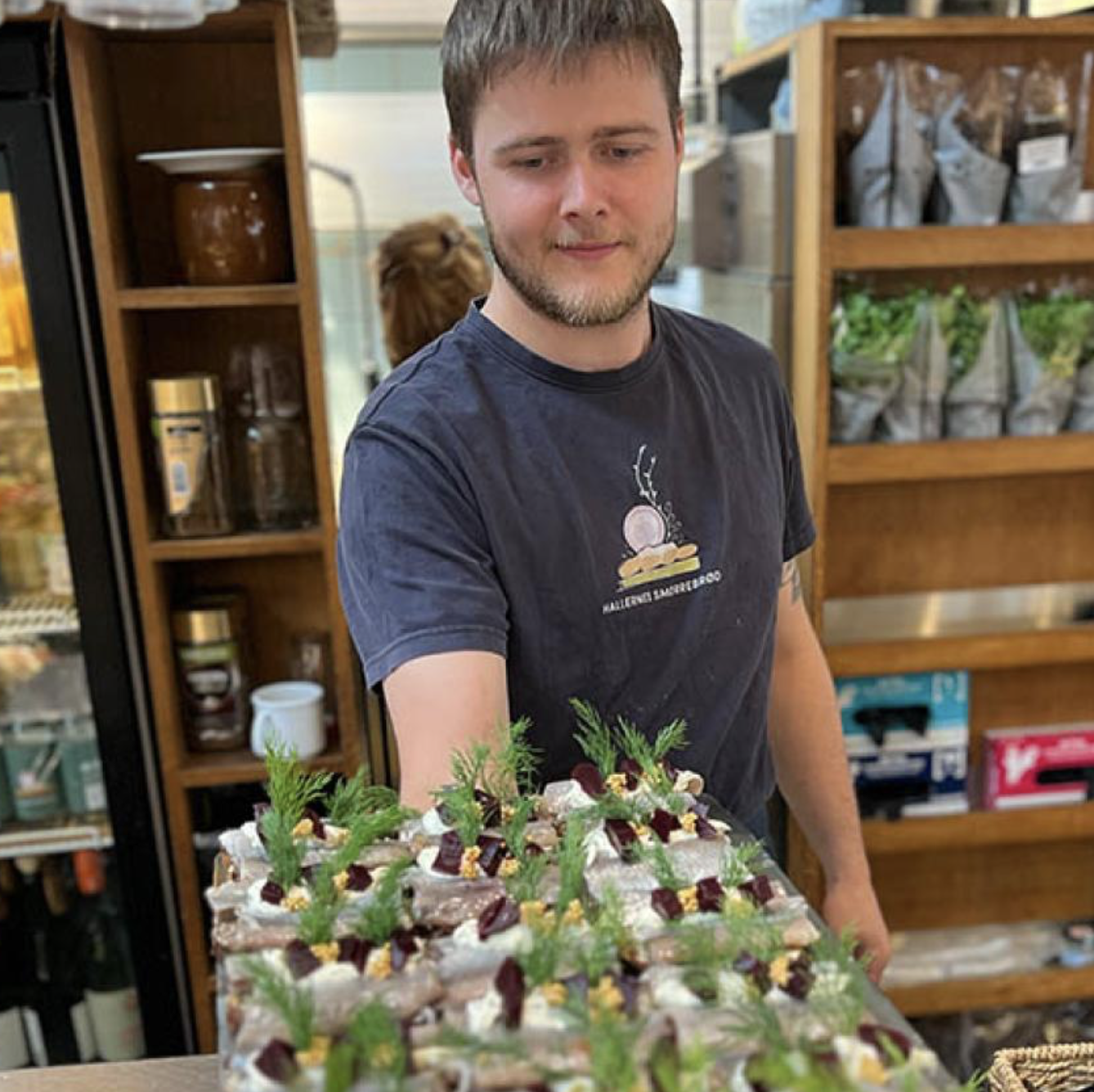
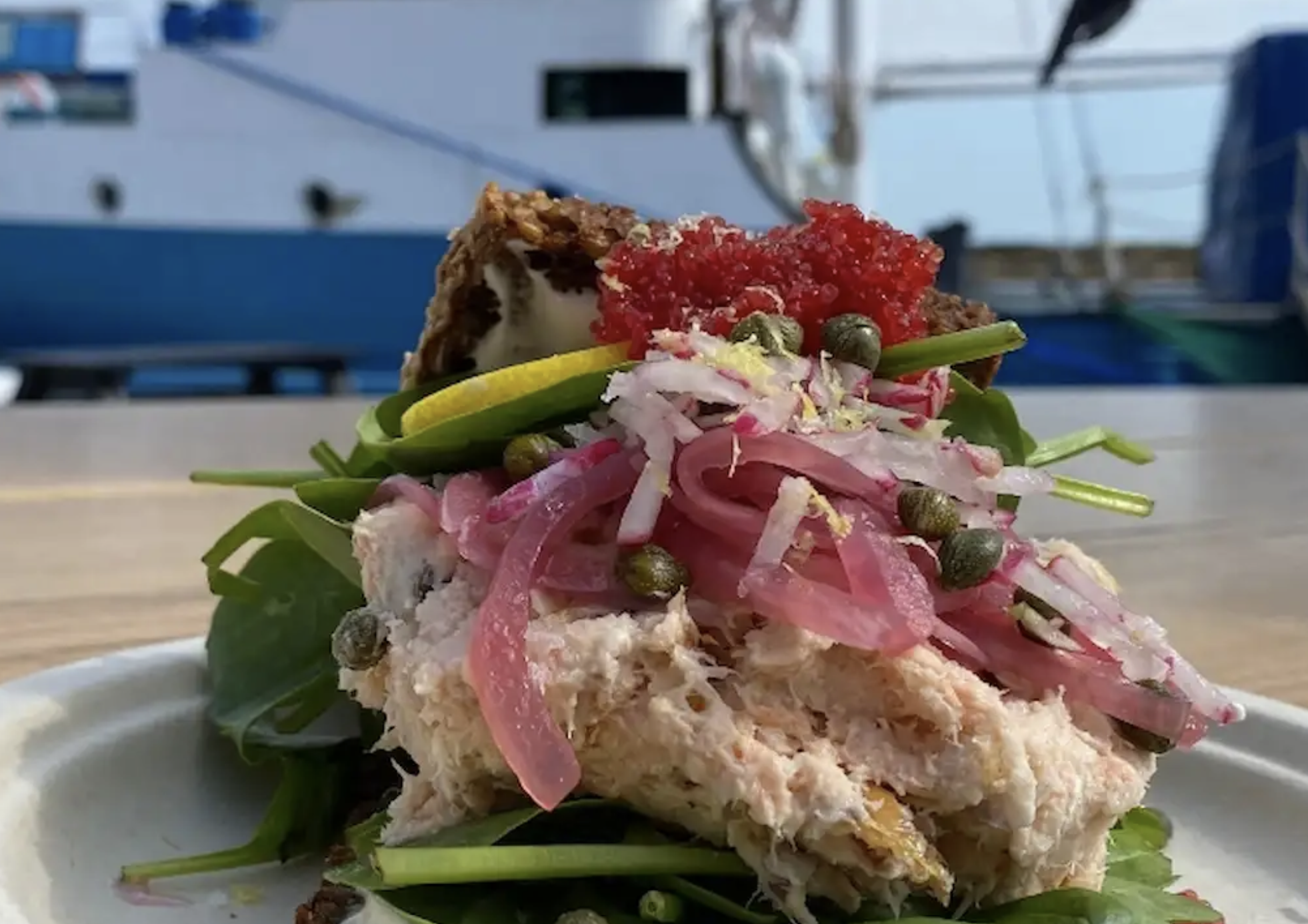
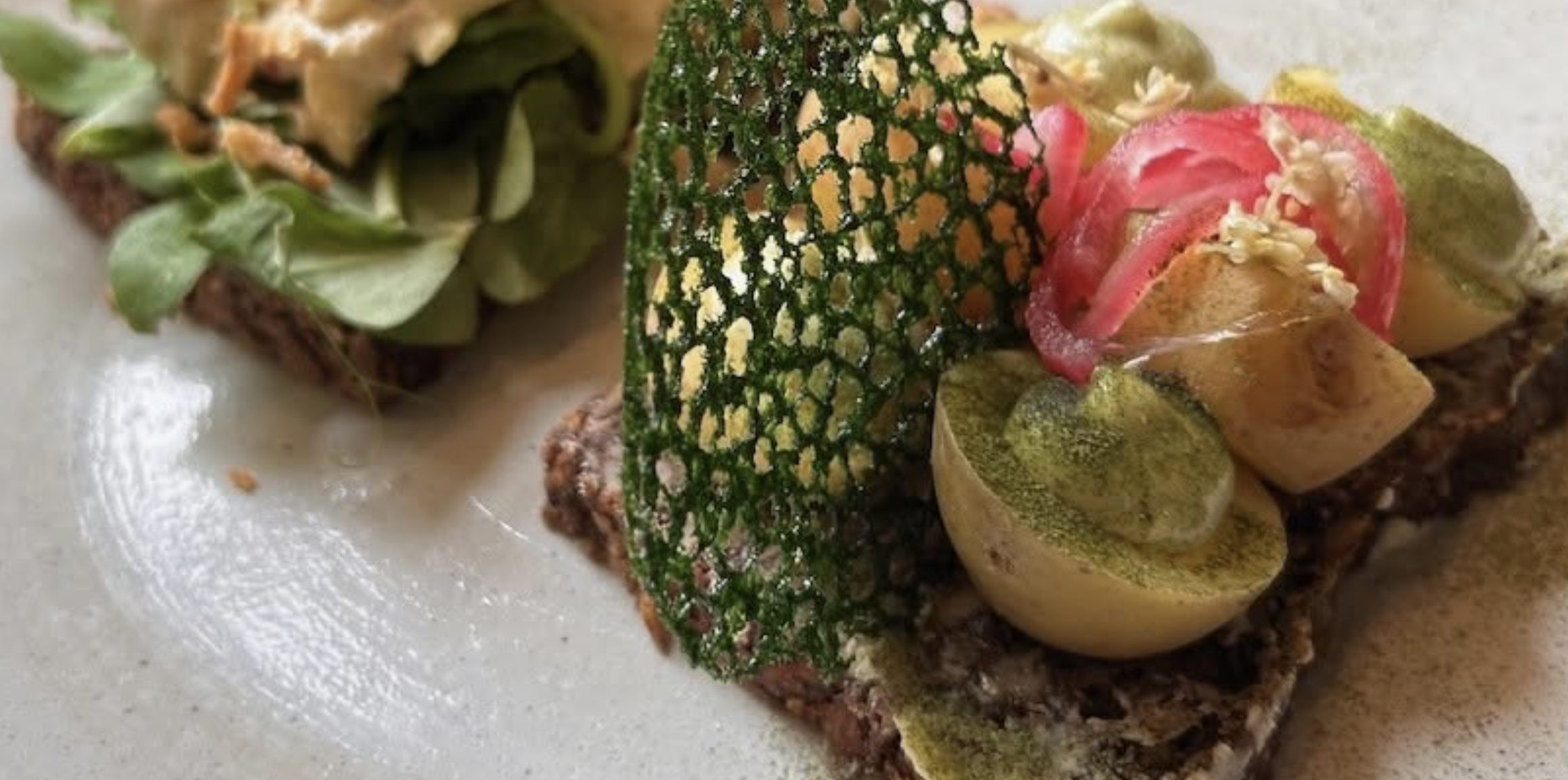
In the late afternoon we will enjoy an evening of preparing smørrbrød, Denmark's famous open-faced sandwich. With the chef, we’ll create traditional toppings, dressings and garnishes for three types of smørrebrød, learning how to assemble and decorate them so they look as good as they taste. Afterwards, we'll enjoy our creations over dinner in the dining room.

Day 5: Copenhagen →Svendborg → Ærø (8/31)

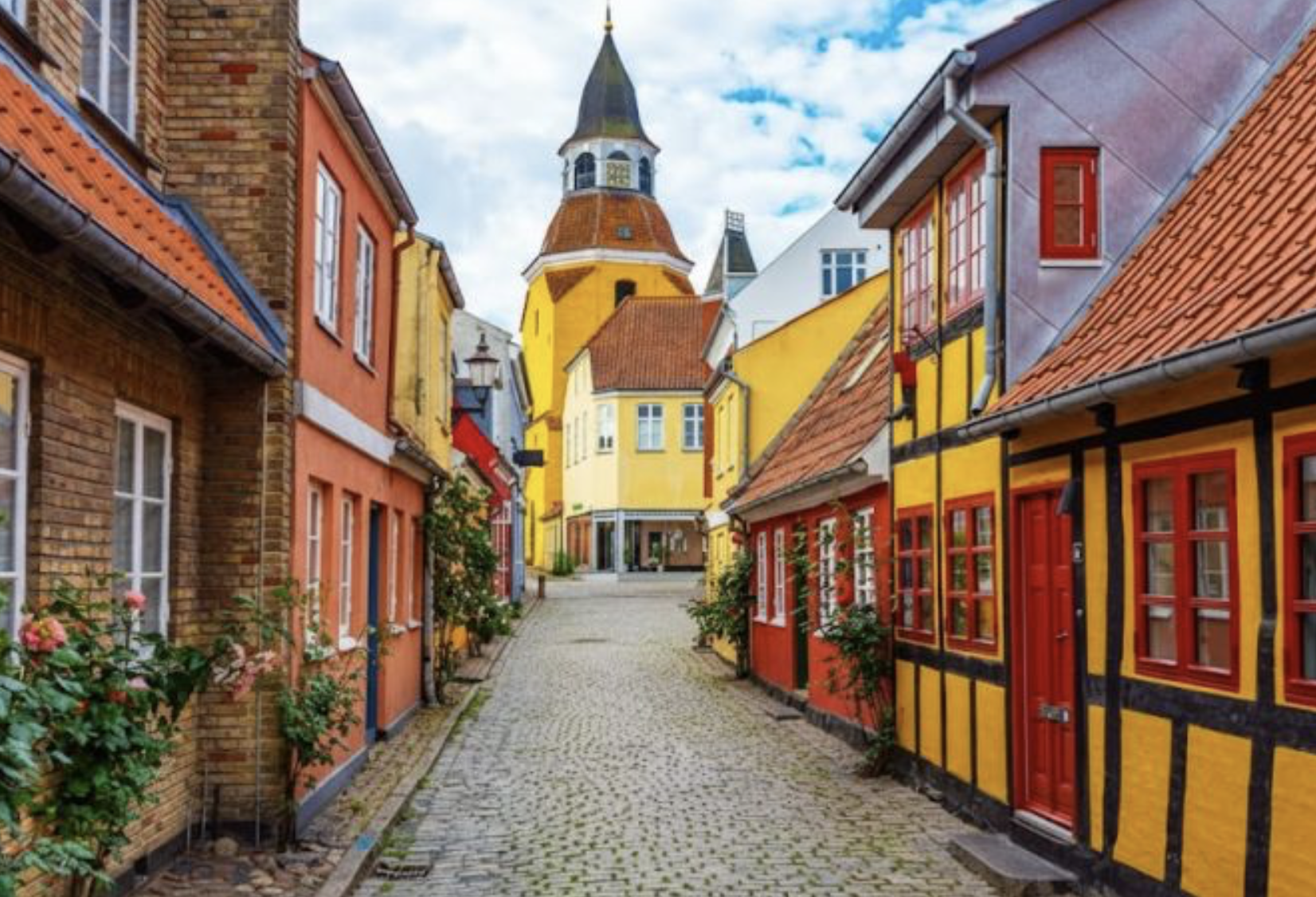
Departure day from the capital. We travel south first to Svendborg — a charming old maritime town of winding streets, half-timbered houses and a harbour that has been sending ships out into the world since the 13th century. Lunch here before we board the ferry south to Aero.

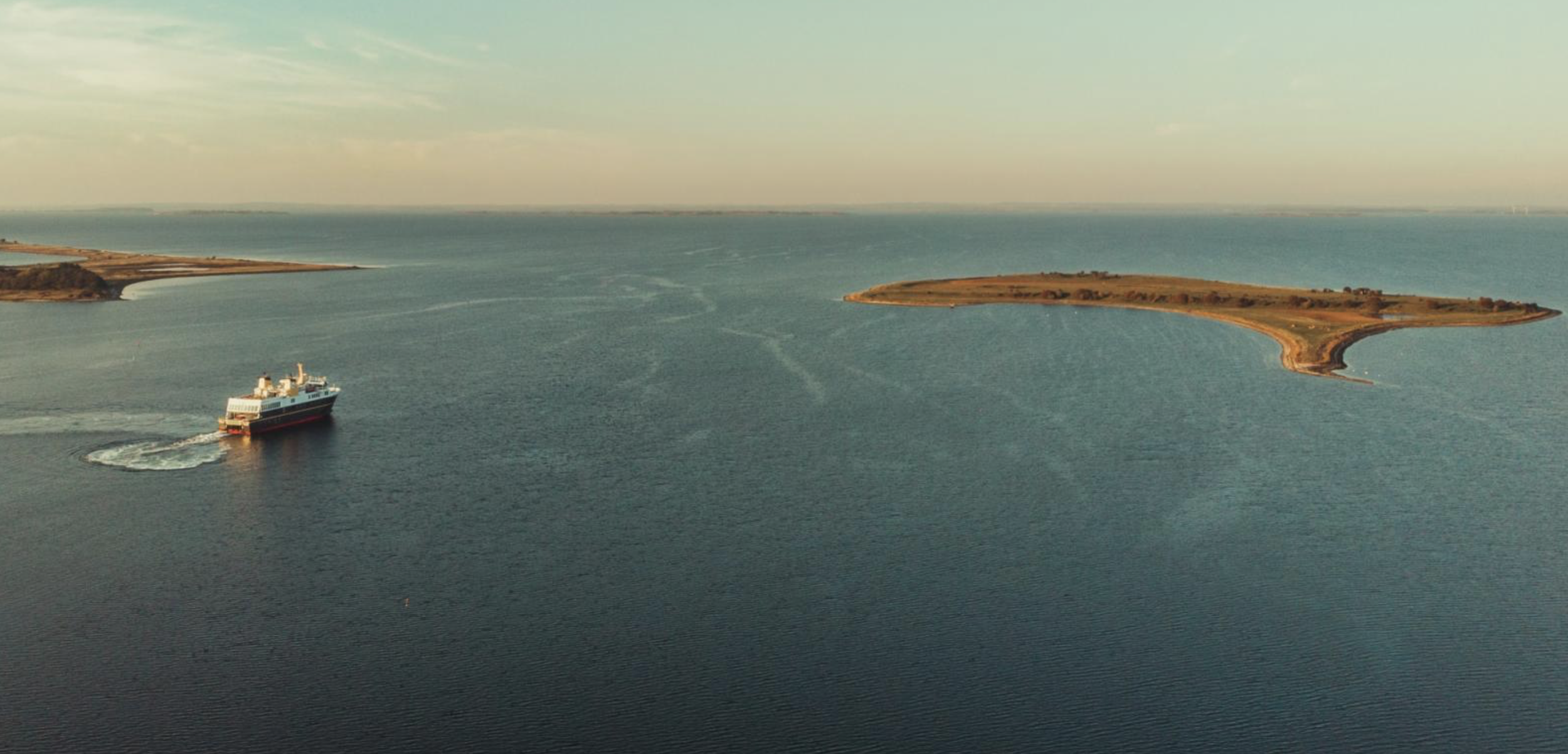
One of Denmark’s best-kept secrets, a small, slow island of rolling hills, cobblestone villages and colourful painted doors, Ærø is where time moves differently and the sea is never far away. On arrival we check into our hotel and enjoy our evening meal at nearby restaurant.


Day 6: Ærø (9/1)

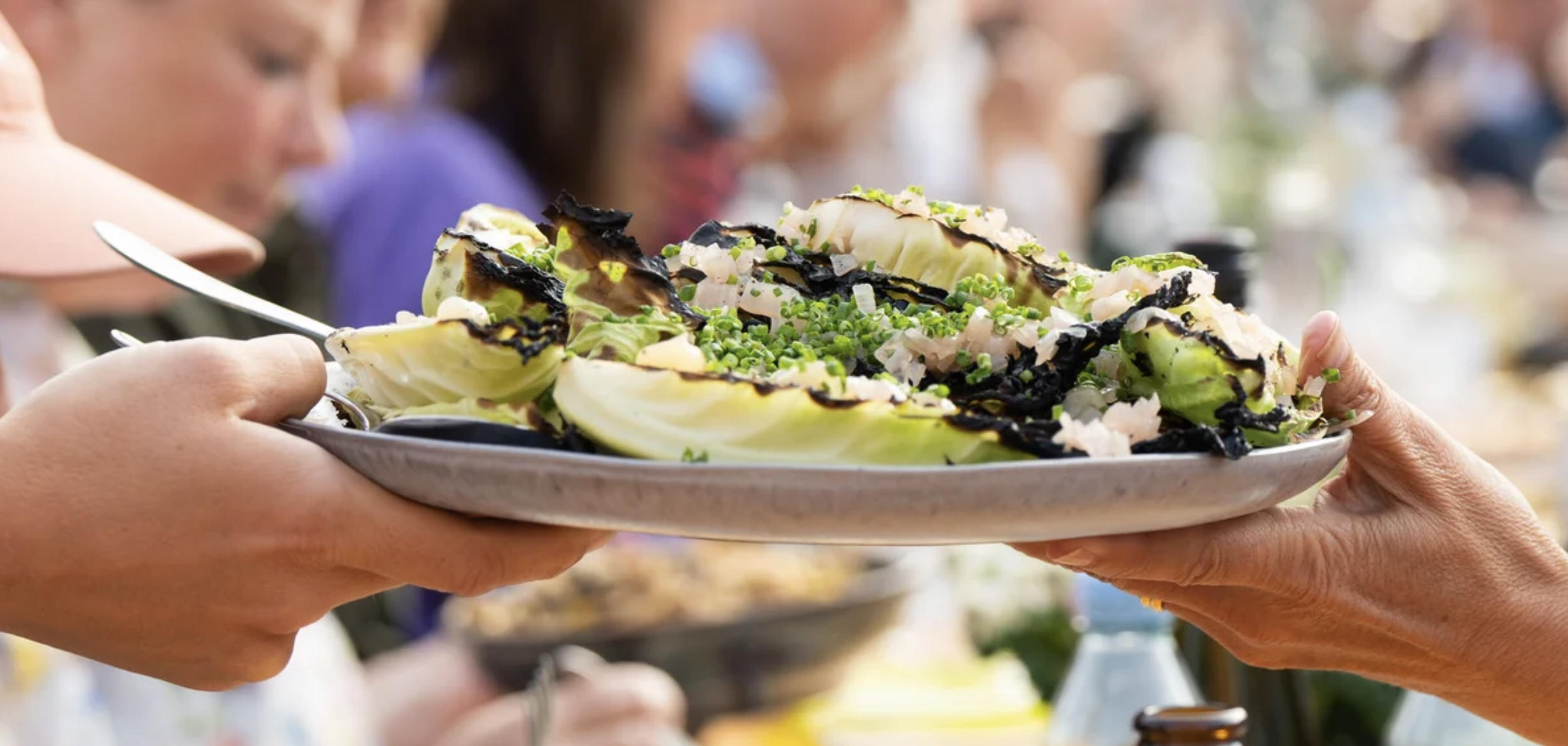
We will start the day at a restored family farmhouse with a wild garden that leads down to the Baltic Sea. Enjoy a foraging walk along the coastline, learning about herbs and edible plants. Back at the house, we will gather enjoy a cooking class, turning our forage finds into a shared lunch.

Return to the hotel for free time. Later in the afternoon, we will enjoy a private screening of Babette’s Feast — the beloved Danish film about food, sacrifice and grace, and a fitting companion to everything this journey is about. Dinner on your own. For those wanting an evening stroll, we will join the night watchman for a walk around the village.


Day 7: Ærø (9/2)

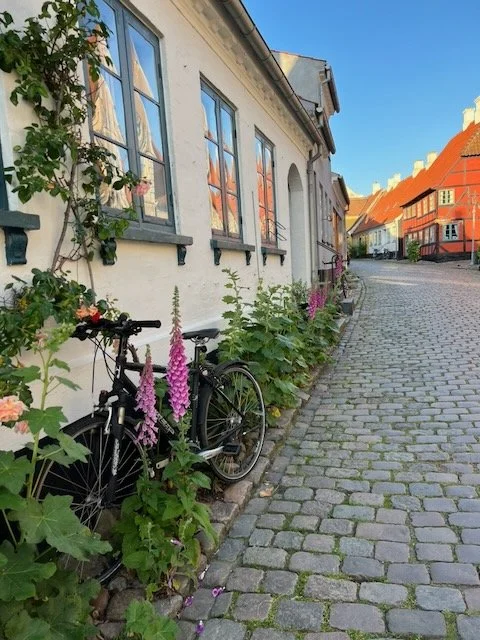
After breakfast, we leave for Marstal, once the second-largest shipping hub in Denmark, surpassed only by Copenhagen. The harbour is still a working one, with dockyards and vessels that mean business, while the backstreets reveal a quieter charm: cobbled alleys flanked by roses and hollyhocks, small craft shops, and a church whose 48 bells ring out several times a day. We begin with a private tour of the Maritime Museum by a retired sailor. Learn about the history of fishing in this region as well as personal stories of the life of a sailor.

Lunch at a harbour smokehouse, where freshly smoked fish and shellfish are served in the open air with rye bread and the smell of the smoke still in the air. Not included We continue to Søby, a renaissance manor home, and a few fun stops on the way back to the hotel. Dinner on your own.


Day 8: Ærø → Odense → Aarhus (9/3)

This morning we say goodby to Ærø, we will travel north. First, to Odense and then Aarhus, Denmark’s third city and the birthplace of Hans Christian Andersen.

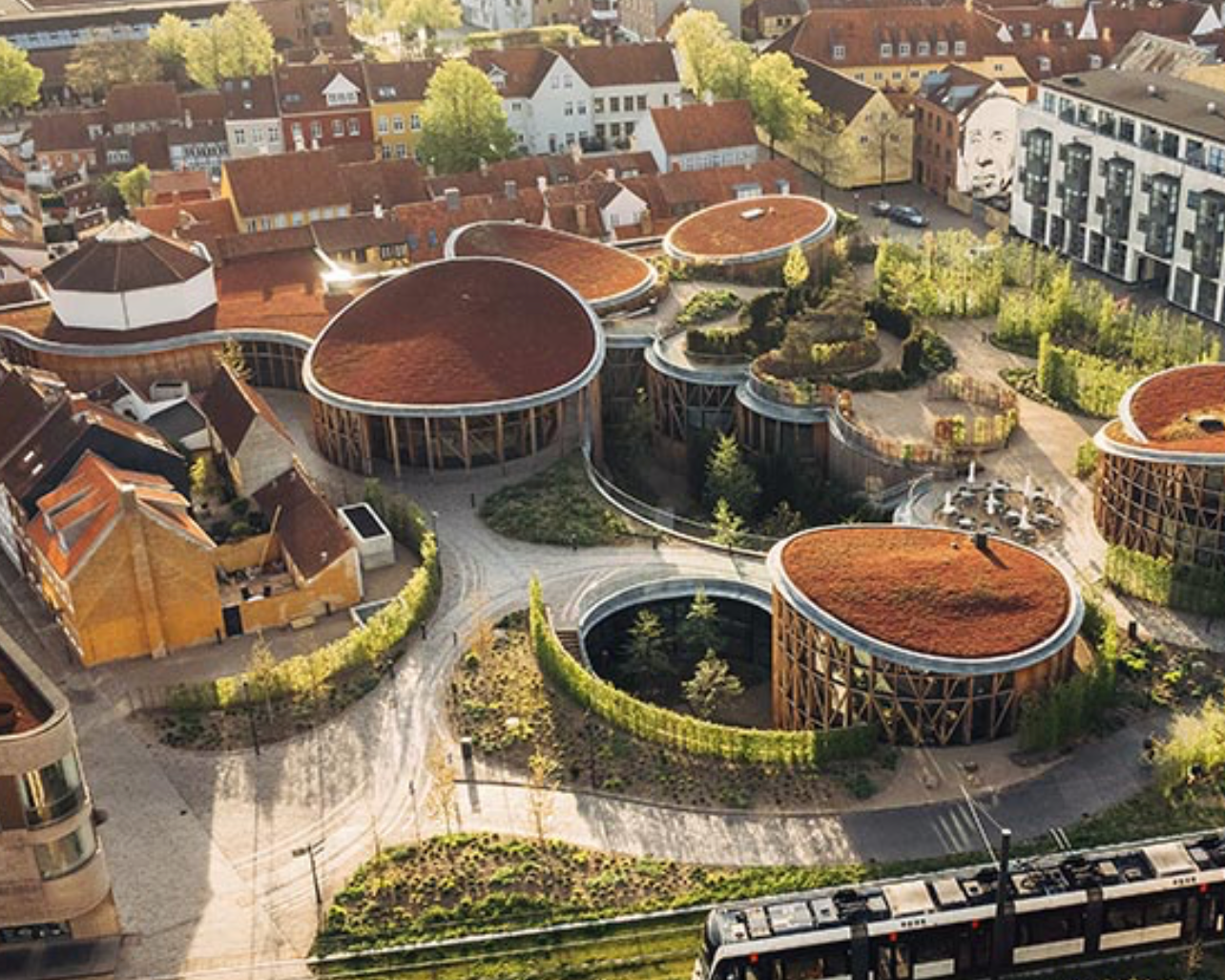
If you loved his fairy tales as a child, the HCA House Museum feels less like a museum and more like stepping inside one of Andersen's own strange, beautiful stories. It's an underground world of curving walls and shifting light, designed by acclaimed architect Kengo Kuma in 2021 - specifically to make visitors feel the imagination of a man who turned his own loneliness and ambition into some of the most enduring stories ever written. Beyond the tales themselves, the museum digs into Andersen's life: his restless travels, his unrequited loves, and his social insecurities (even after fame found him). After a 30-minute orientation tour, explore the museum on your own, with time for lunch and the gift shop. Continue to Aarhus for check-in and dinner at a Bib Gourmand restaurant where French food and wine culture meet Danish creativity.


Day 9: “The Old Town” (9/4)

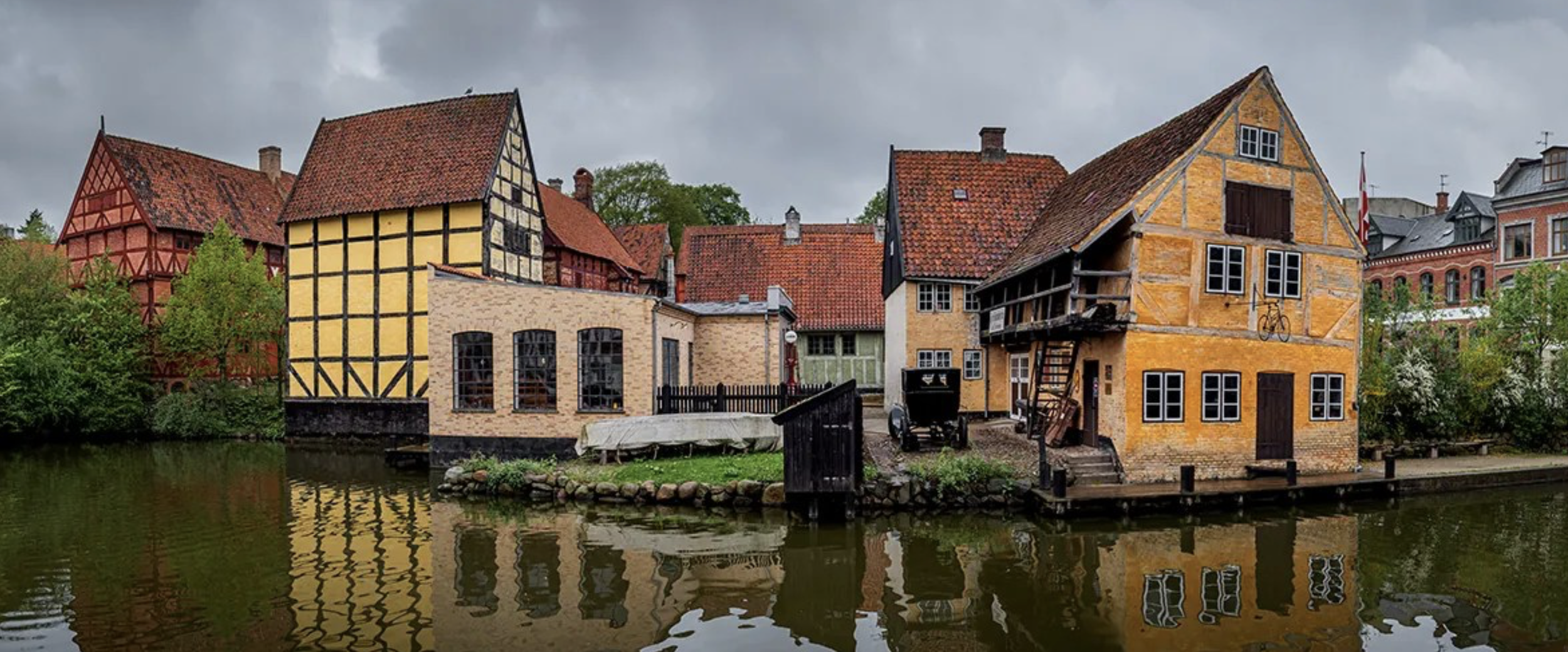
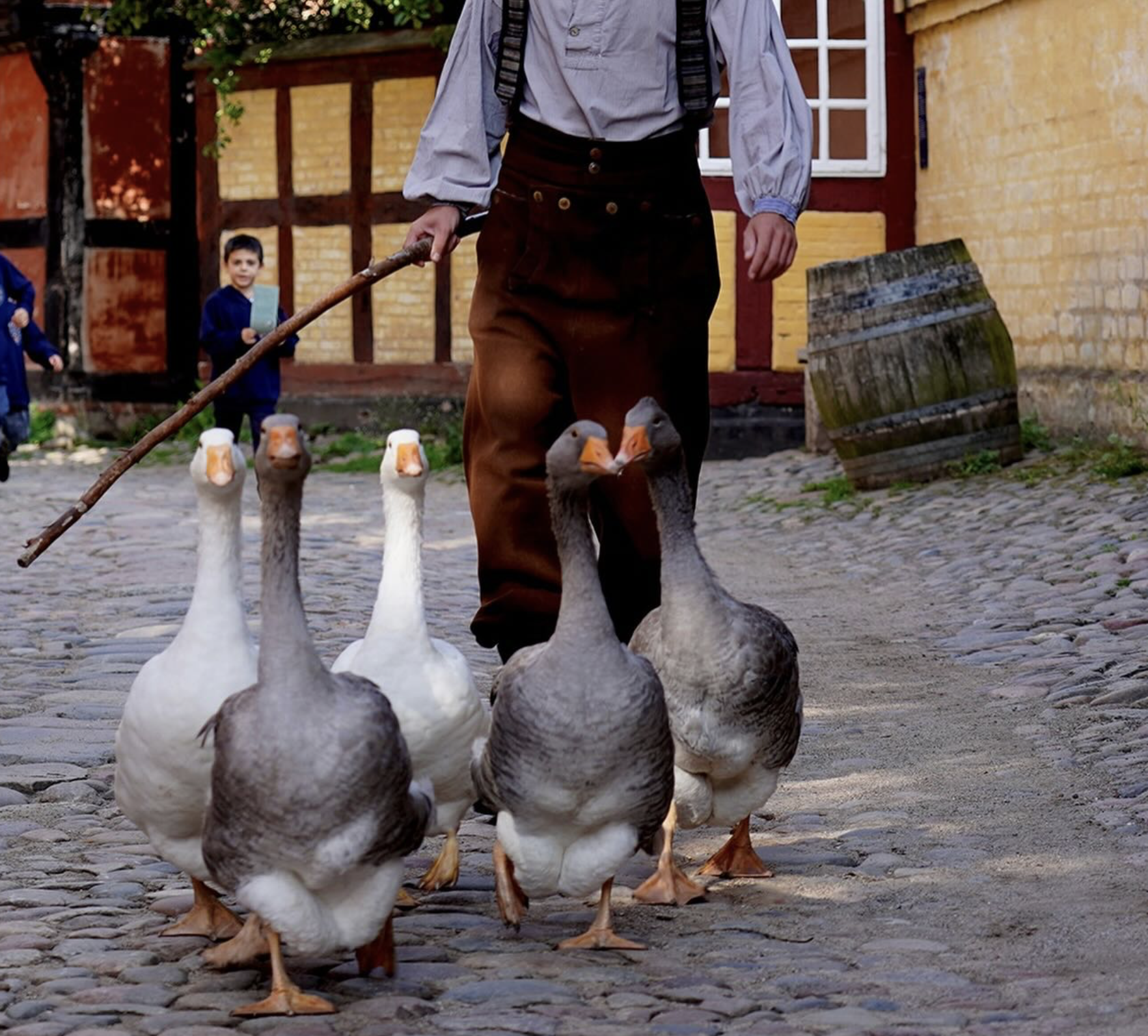
After breakfast we will walk over to Den Gamle By ("The Old Town") an open-air museum built from more than seventy historic buildings moved here from all over Denmark. In 2026 it won the award for European Museum of the Year, with the jury praising it for setting a new benchmark in innovation and relevance. It traces daily life in Aarhus from the renaissance all the way through to 2014.

Historic buildings from across Denmark were relocated and reconstructed in Aarhus to form living streets, workshops, shops and homes. The shops are also from different eras so you can take a piece of history home with you.

The afternoon continues with a visit to the annual Aarhus Food Festival, one of the Nordic region’s great culinary gatherings, bringing together producers, chefs and food lovers from across Denmark. Ticket included.


Day 10: Danish Food in History (9/5)

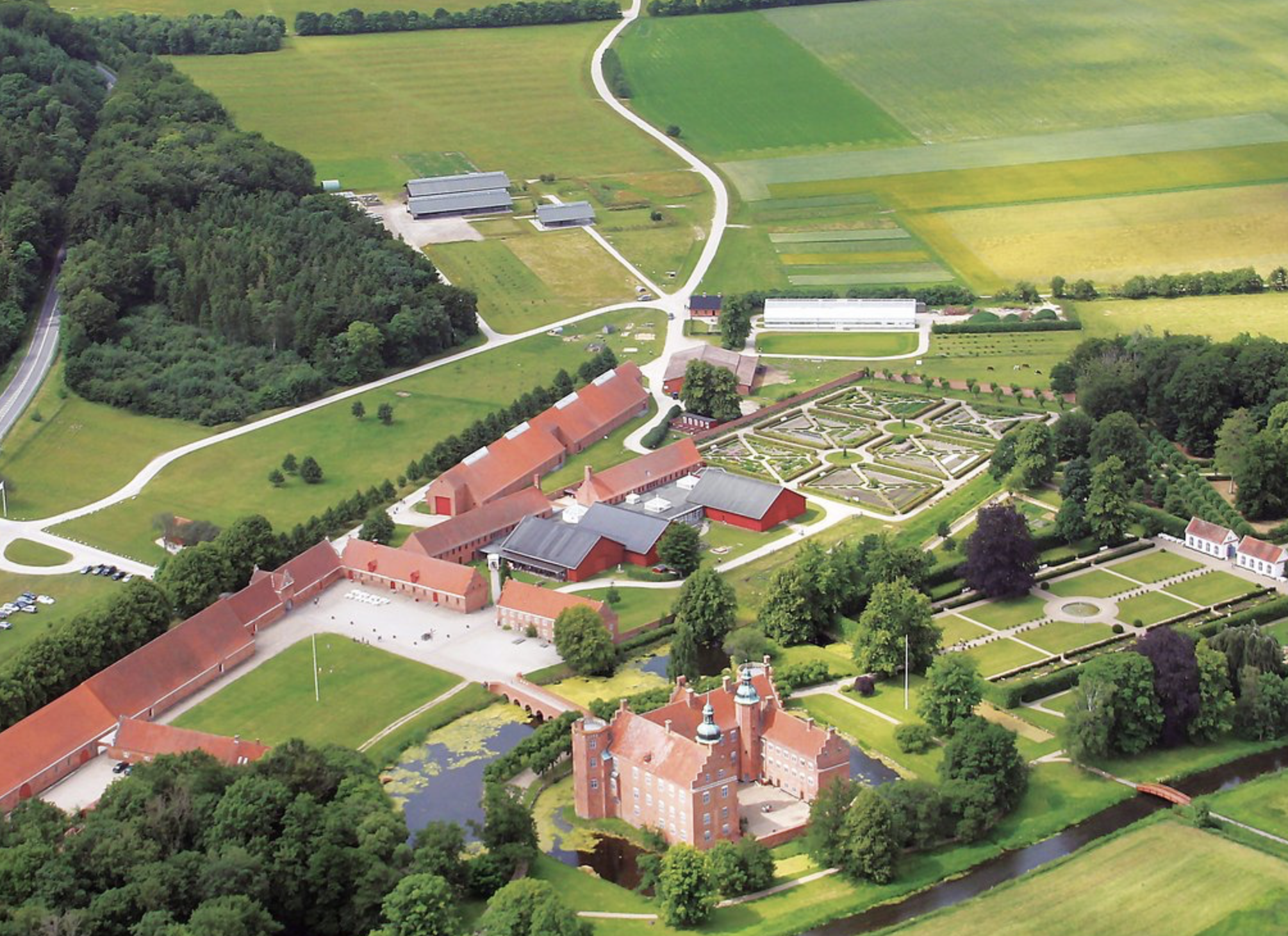
A day trip into the Djursland countryside to a remarkable cultural estate. We begin at a museum whose permanent exhibitions trace the full arc of Danish farming and food culture from the Neolithic to the present. The centrepiece is a house built around four authentic working kitchens spanning four centuries.

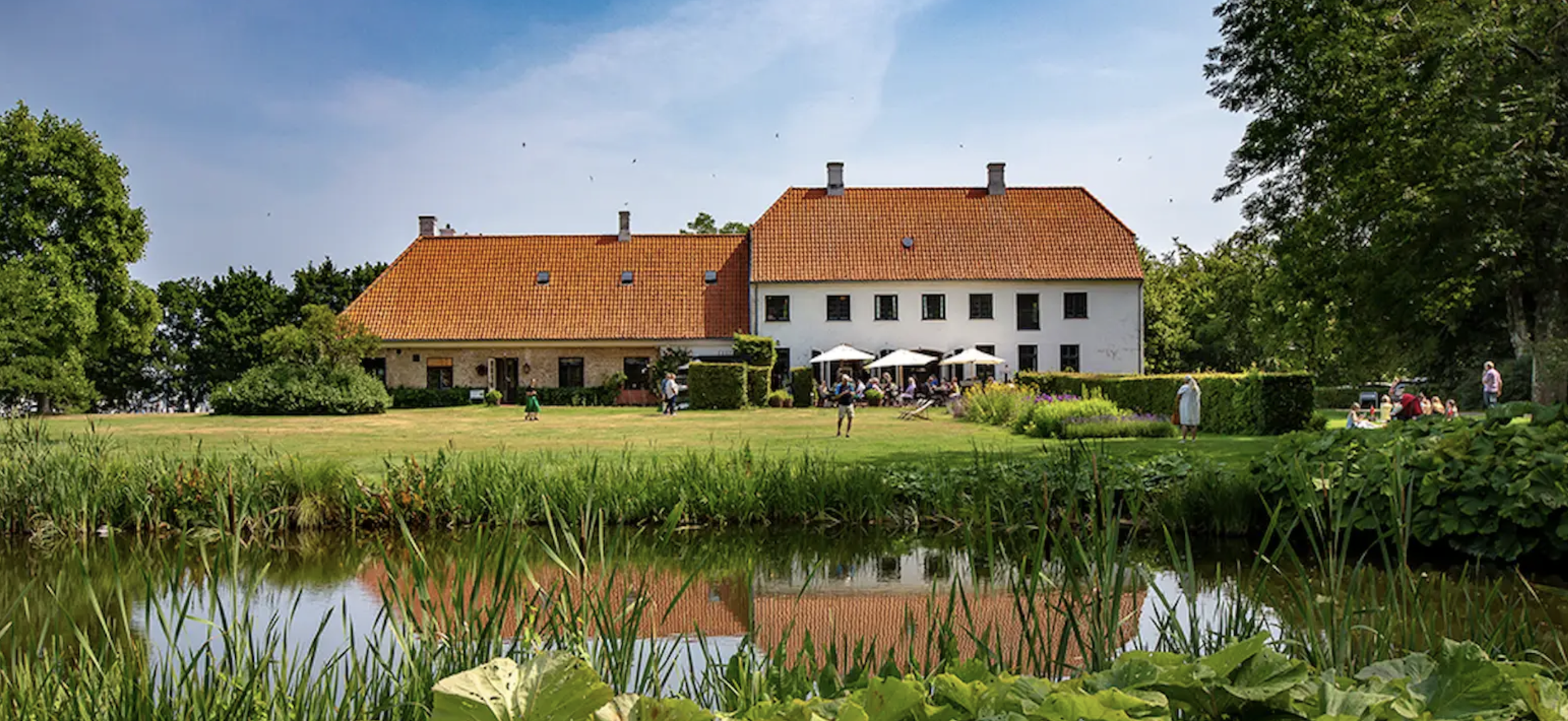
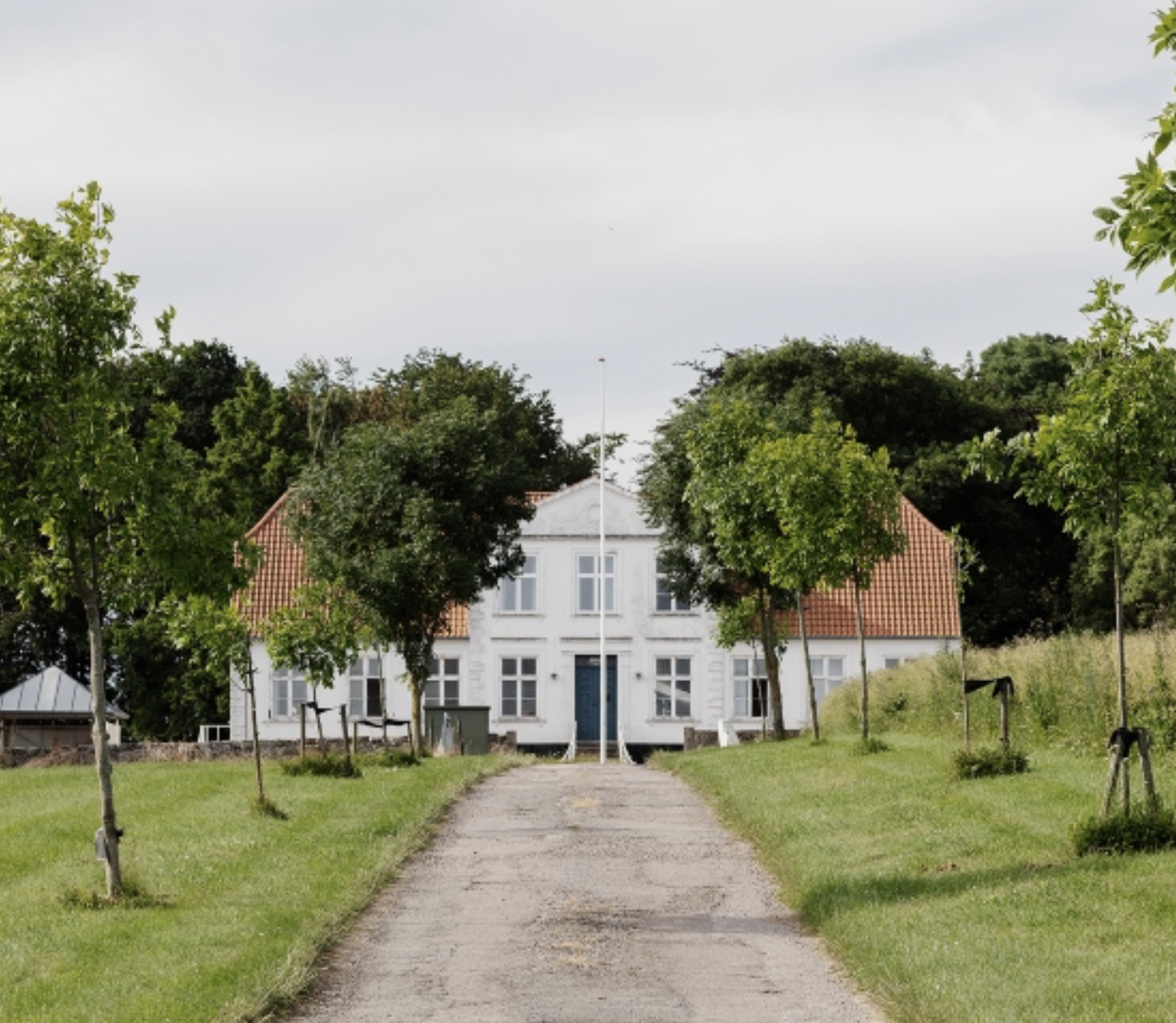
After lunch at the museum restaurant (not included), then on to a Renaissance manor house which takes you through four centuries of Danish aristocratic life. Stop for coffee and home-baked cake in the authentic manor house kitchen, still furnished with its original wood-burning stove and old recipes, before wandering the magnificent Baroque garden with its orangeries and orchards. Return to Aarhus and the rest of the afternoon and evening on your own.


Day 11: Aarhus → Odsherred → Copenhagen (9/6)

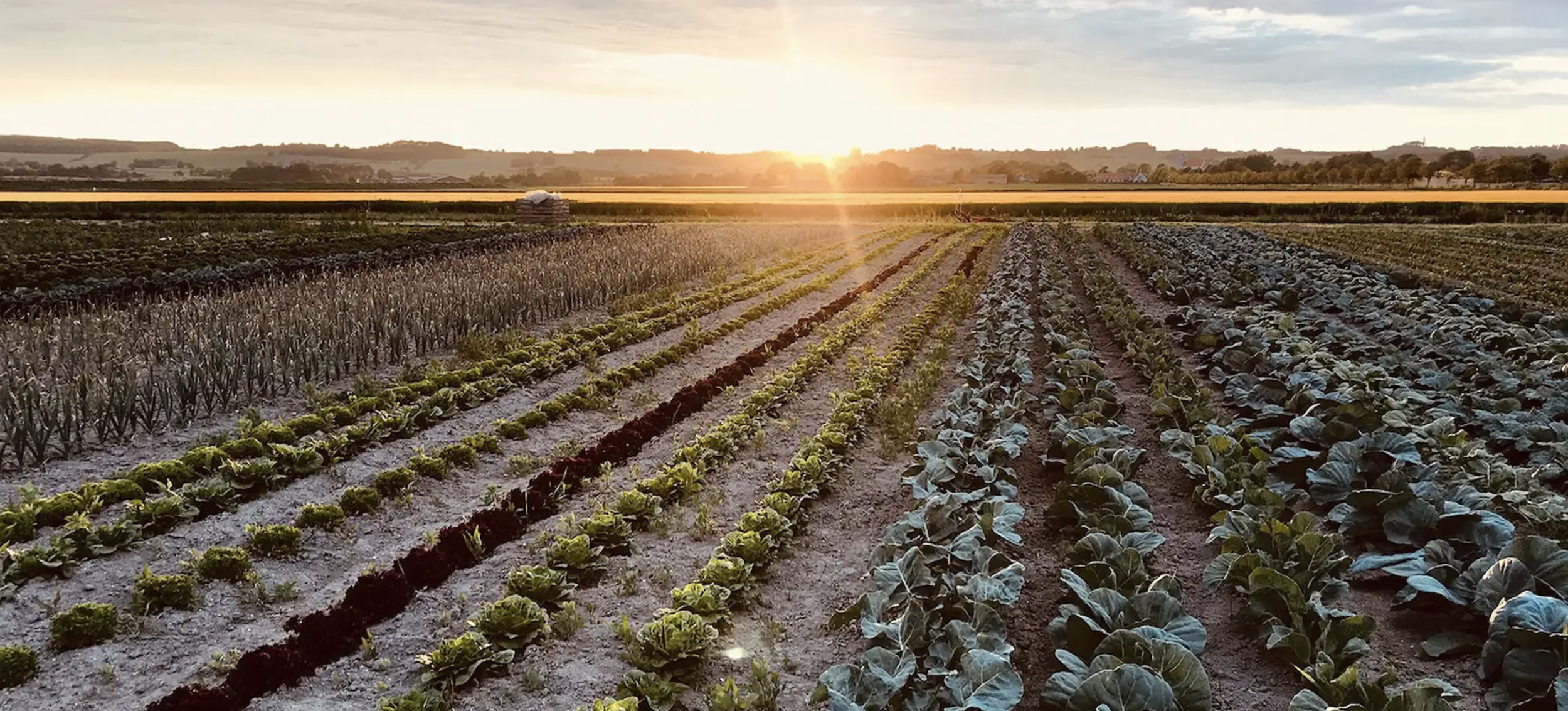
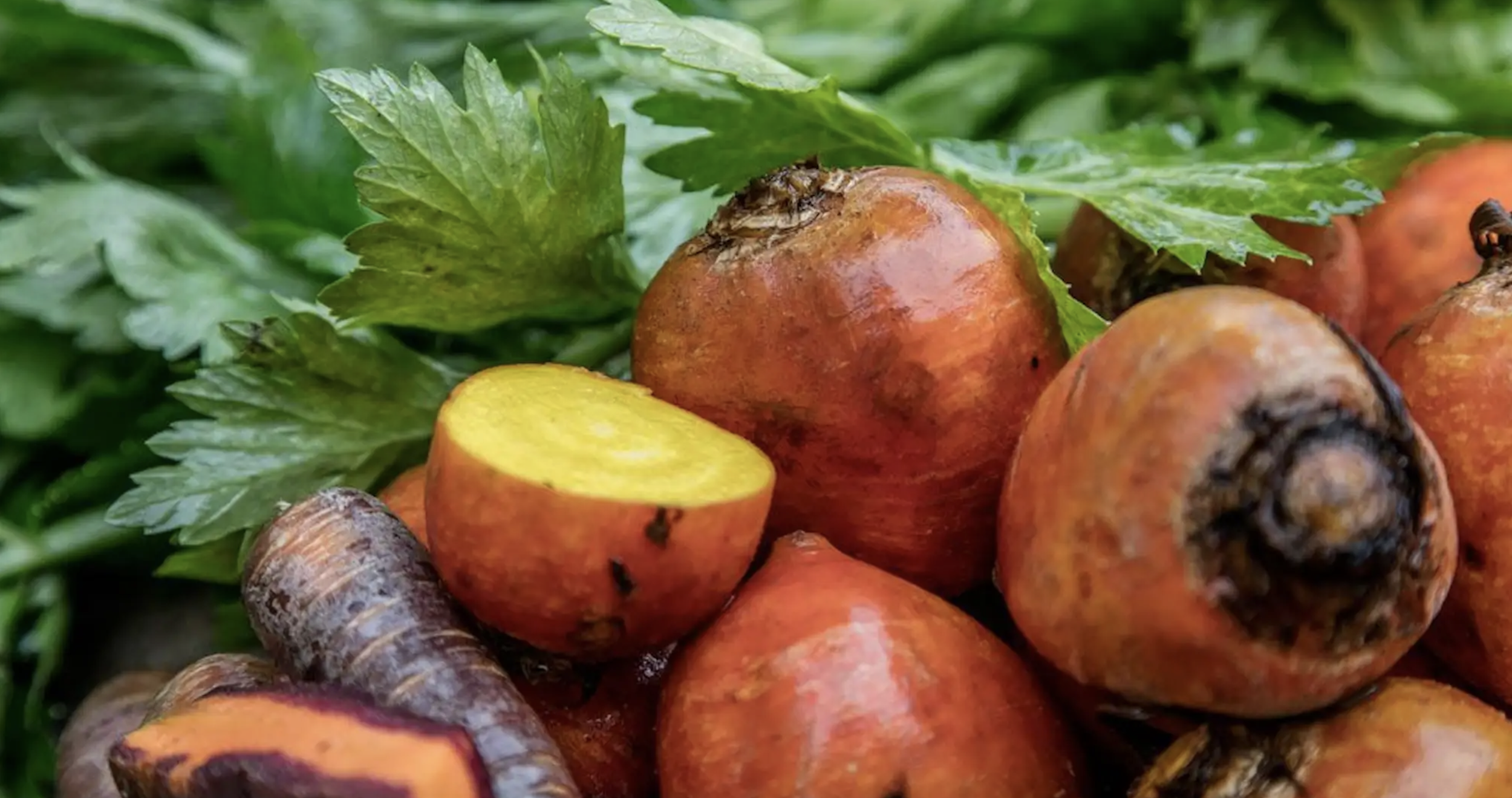
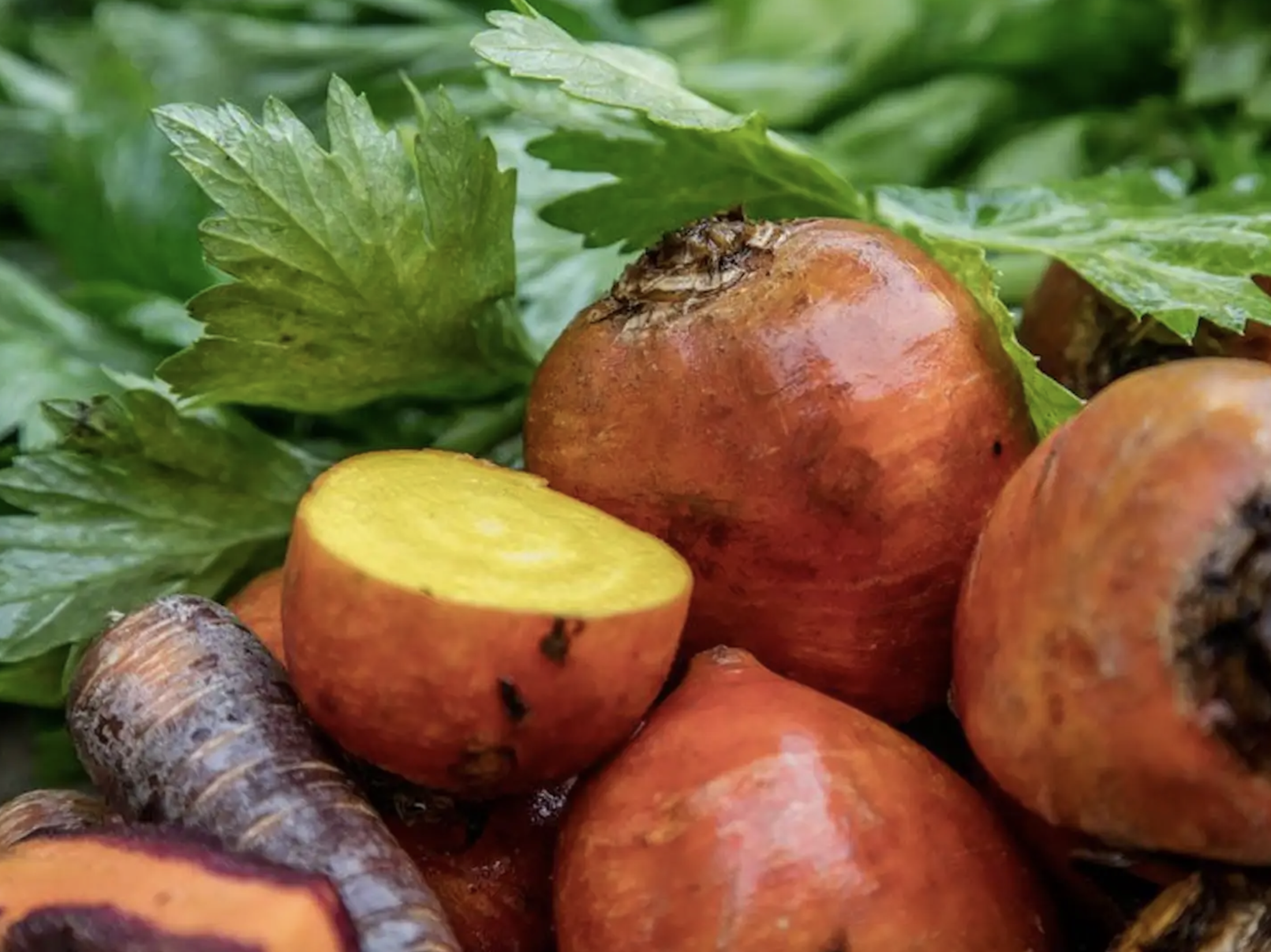
We say goodbye to Aarhus this morning and begin the journey back toward Copenhagen, crossing to Zealand by ferry. The day is devoted to one of Denmark's most storied agricultural landscapes — a former seabed, drained and transformed in the 19th century into farmland so fertile its crops now carry protected status under EU law. A guided walk through the fields reveals the history and terroir behind this singular growing region, capped with a tasting of local Danish wines grown on its sun-facing slopes.

From there, we enjoy a leisurely lunch before continuing toward Copenhagen, with one final stop en route to sample the craft of a small, celebrated chocolate maker, and a check-in at our hotel. Enjoy the rest of the evening at leisure.


Day 12: Departure (9/7)

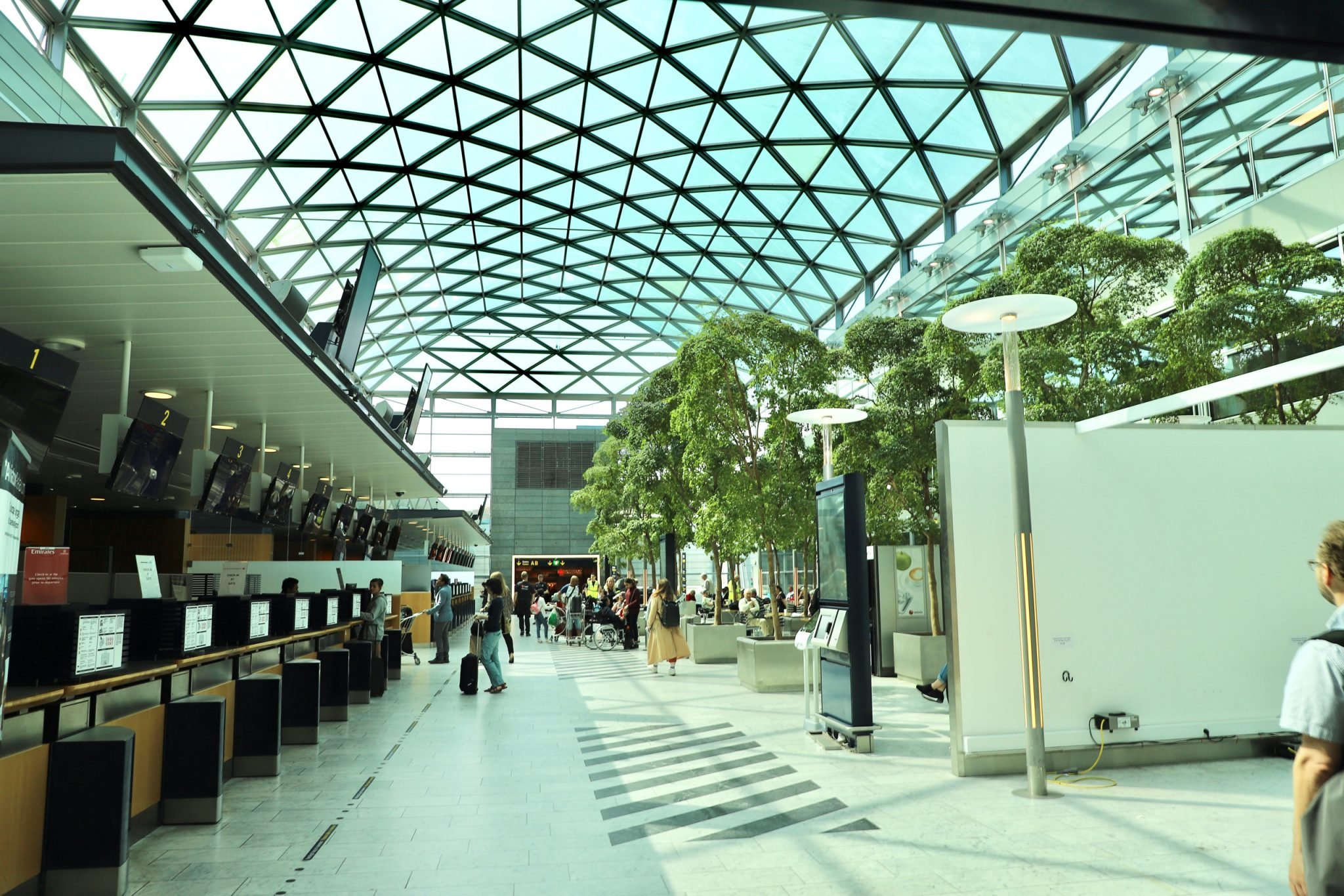
The final day of the main tour. For those heading home, Copenhagen Airport is easily reached from the hotel.


Next
Next

Georgia and Armenia: The Qvevri Road