Georgia and Armenia: The Qvevri Road

About this trip:

Georgia, tucked between the Black Sea and the Caucasus Mountains, and its southern neighbor Armenia share the oldest winemaking traditions on earth and a deep culture of hospitality. Georgians have a saying, stumari ghvtisaa, "a guest is a gift from God," and on this journey the winemakers, home cooks and craftspeople of both countries welcome visitors not as tourists, but as guests. Together, the two countries are sought-after destinations for anyone serious about food and wine travel.

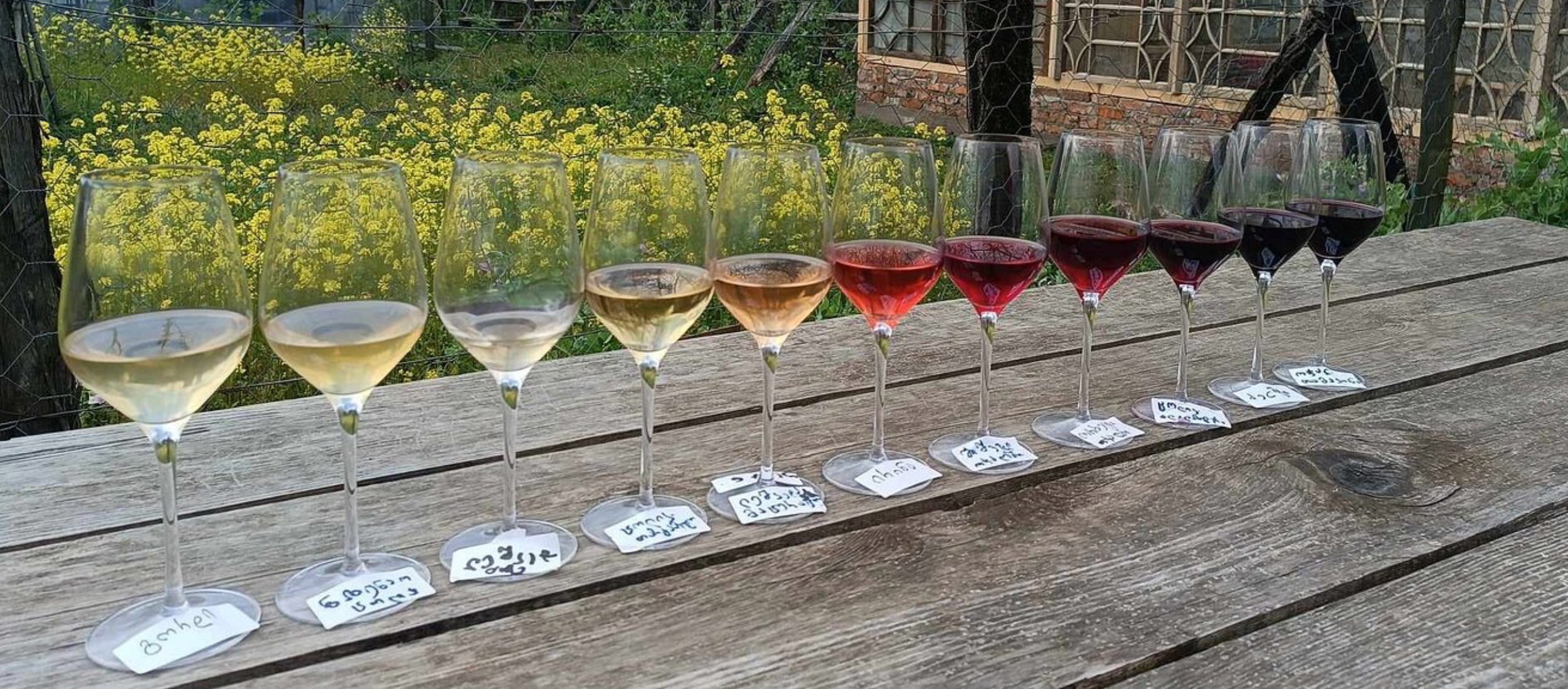
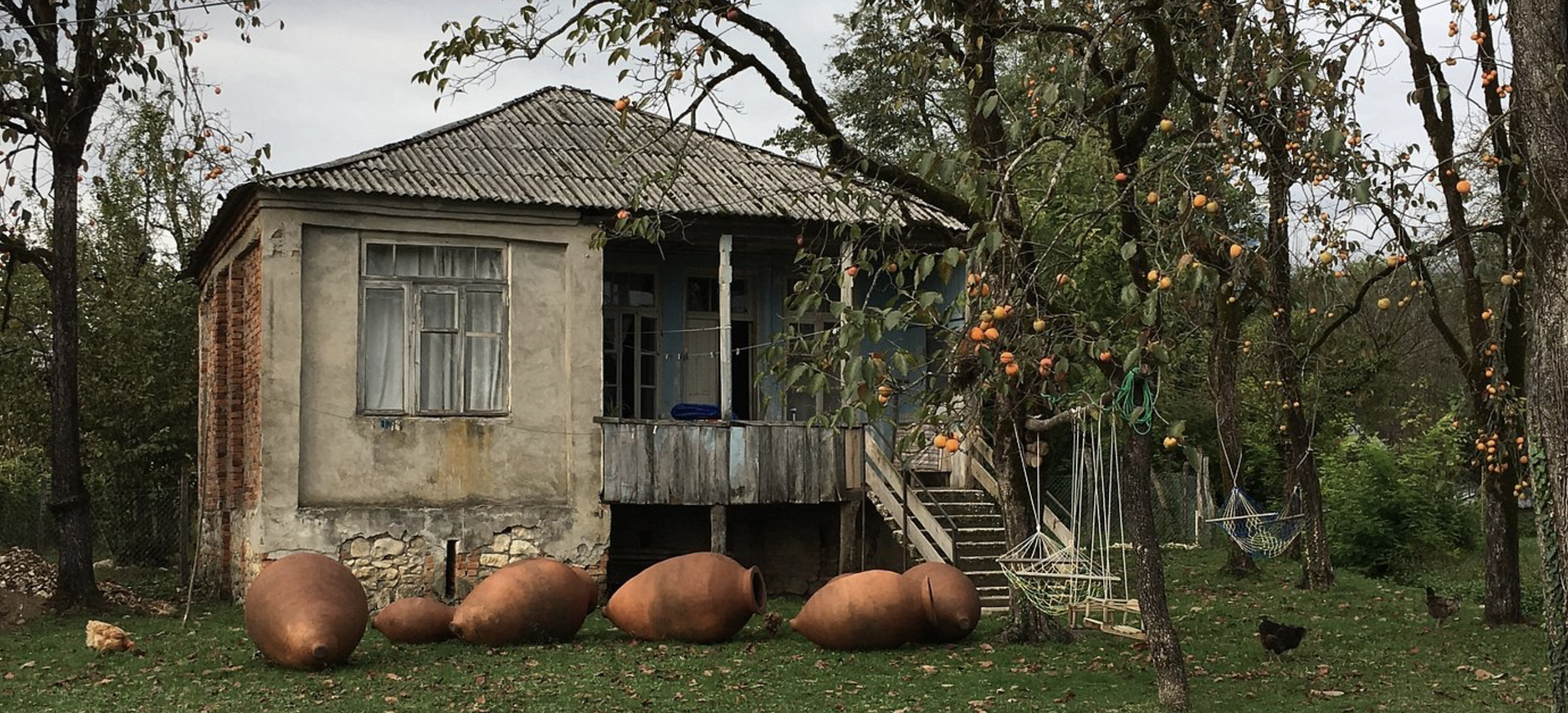
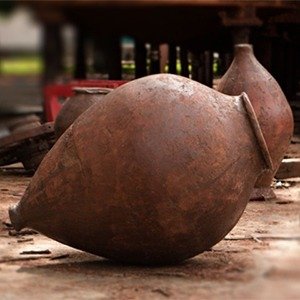
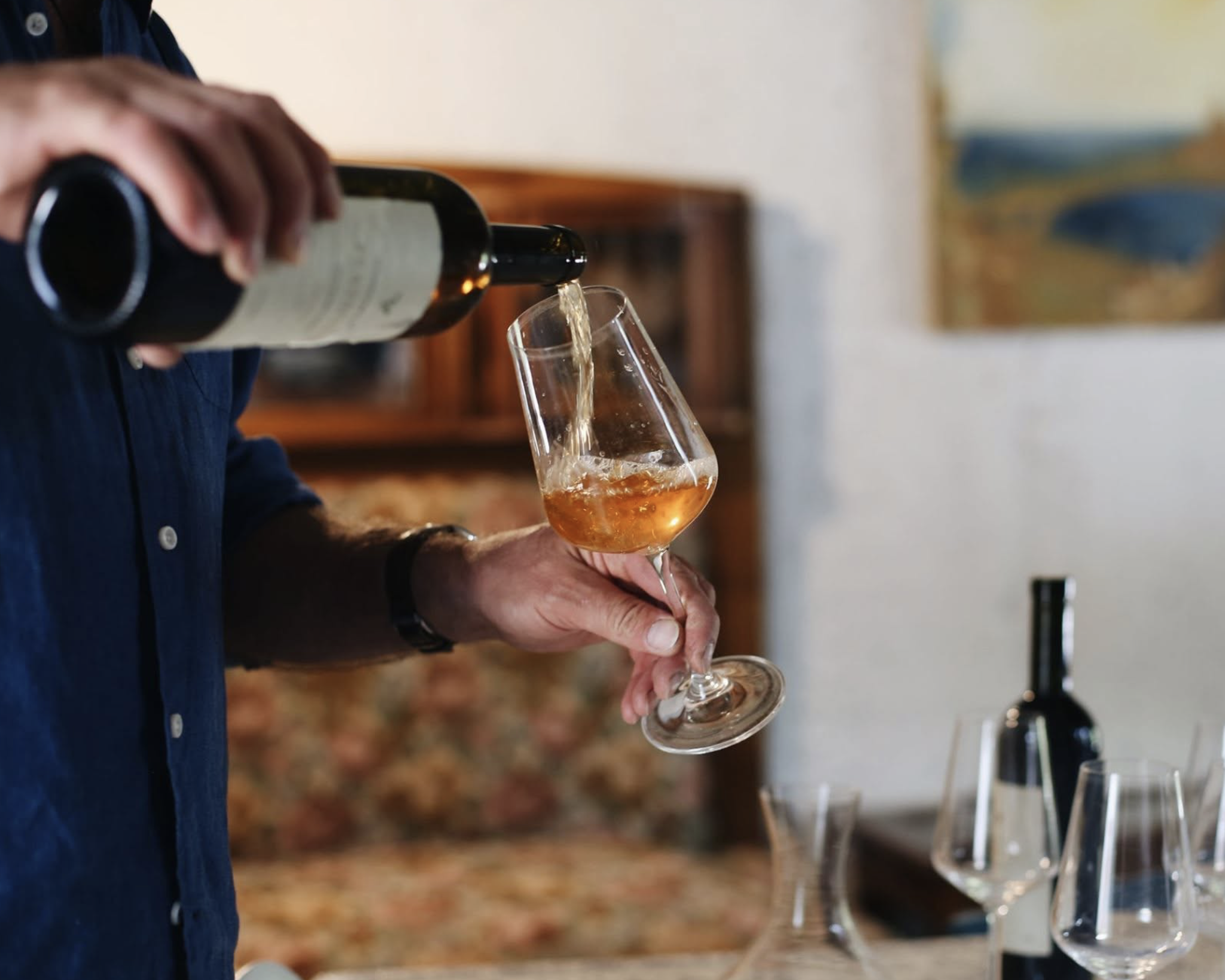
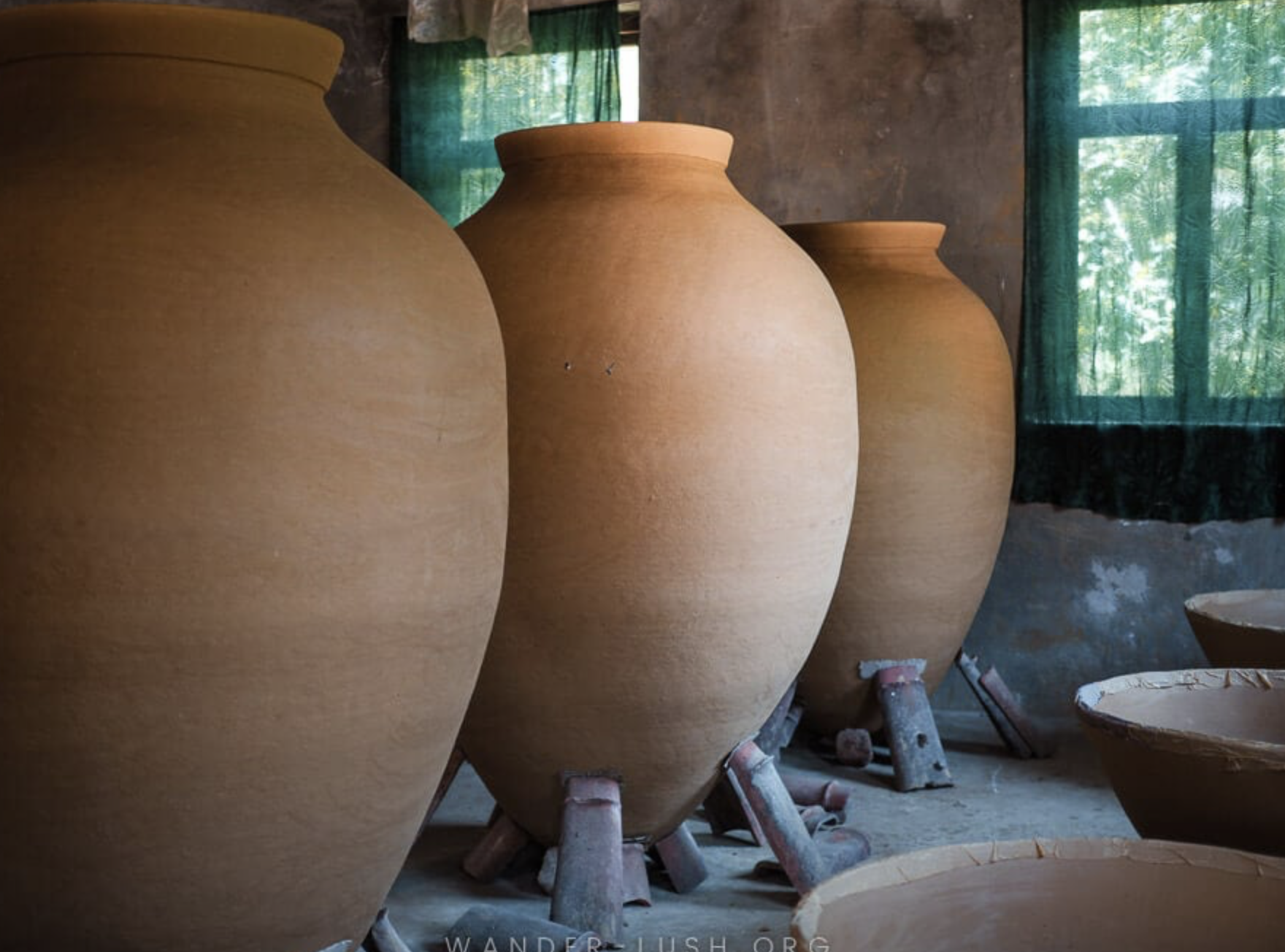
In Georgia, wine has been made for 8,000 years in qvevri, amphora-shaped clay vessels buried in the ground. We follow that tradition from the bold amber wines of Kakheti to the mountain vineyards of Racha, Georgia's smallest wine region. Much of the journey unfolds at family tables, where Georgian cooking, generous and deeply regional, is best understood. Its fullest expression is the supra, the Georgian feast, where each toast from the tamada, or toastmaster, becomes its own form of storytelling, and the evening often ends in polyphonic song.

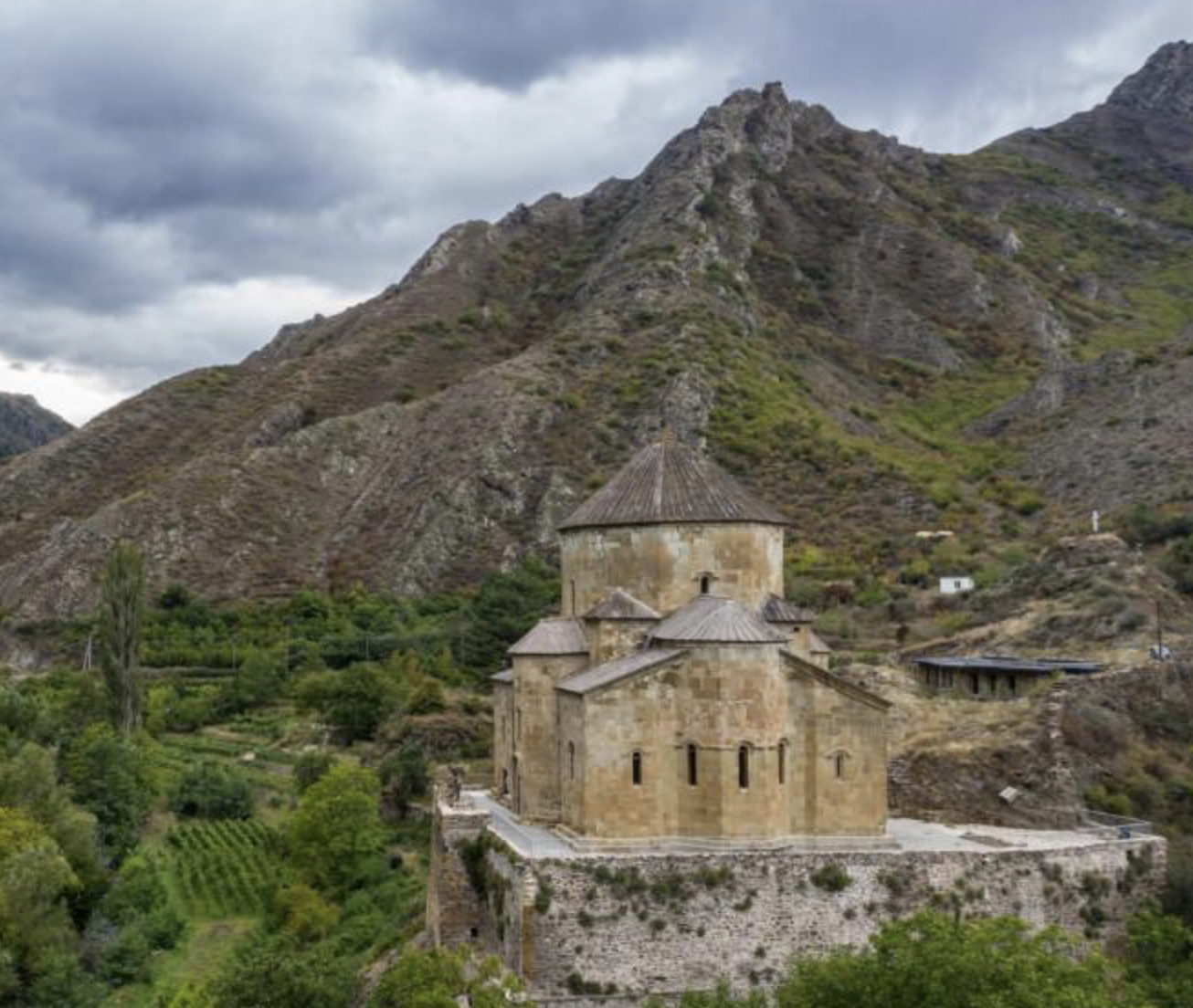
In Armenia, the first country to adopt Christianity, faith is still part of everyday life, as it is in Georgia, which followed soon after. Its winemaking roots run just as deep. In a cave near the village of Areni, archaeologists uncovered a 6,000-year-old winery, complete with a press, fermentation vats, storage jars and drinking cups, and the researchers who study it explain what it reveals. The village also gives its name to Armenia's signature red grape, which we taste at a family winery nearby. Here too, time with families is at the heart of the journey, including an afternoon in the countryside learning how lavash, Armenia's paper-thin bread, is made.

Certified Specialist of Wine Liz Barrett joins the tour to share her wine knowledge. Georgia has been on her must-go list for years. "As a wine writer, I thrive on everything that makes wine interesting – history, stories, people, geography, farming and winemaking techniques, and of course, the local food that brings wine to life."

The tour spends ten days in Georgia, then continues overland for four-days in Armenia. Please note, travel to Georgia takes two days: Overnight to Europe and a late night departure from a European gateway.

DATES
October 8-22, 2027 (TBC)

Please register for more information and to be notified when the tour is finalized.


Day 1: Arrival, Tbilisi Old Town & the Sulphur Baths

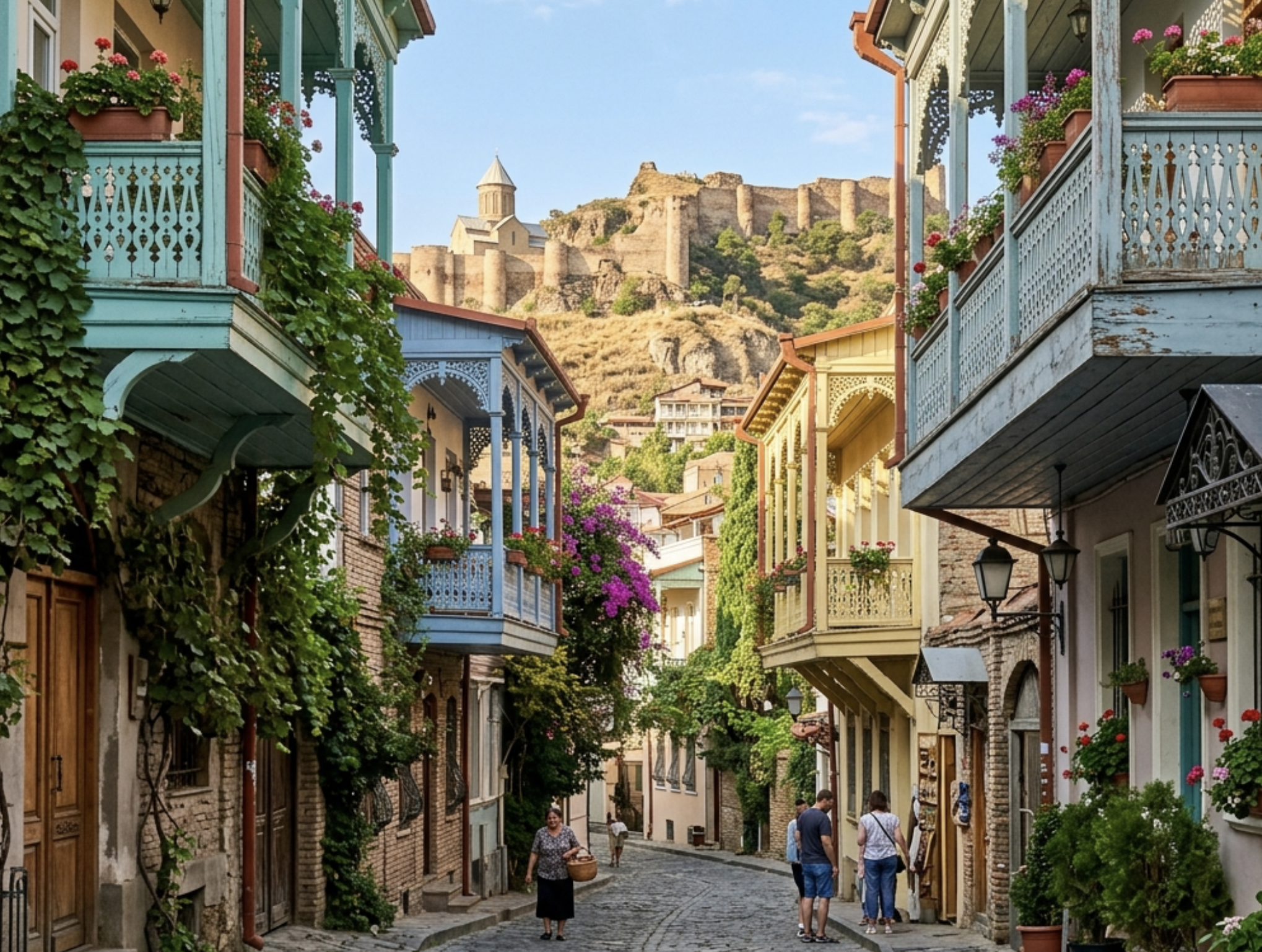
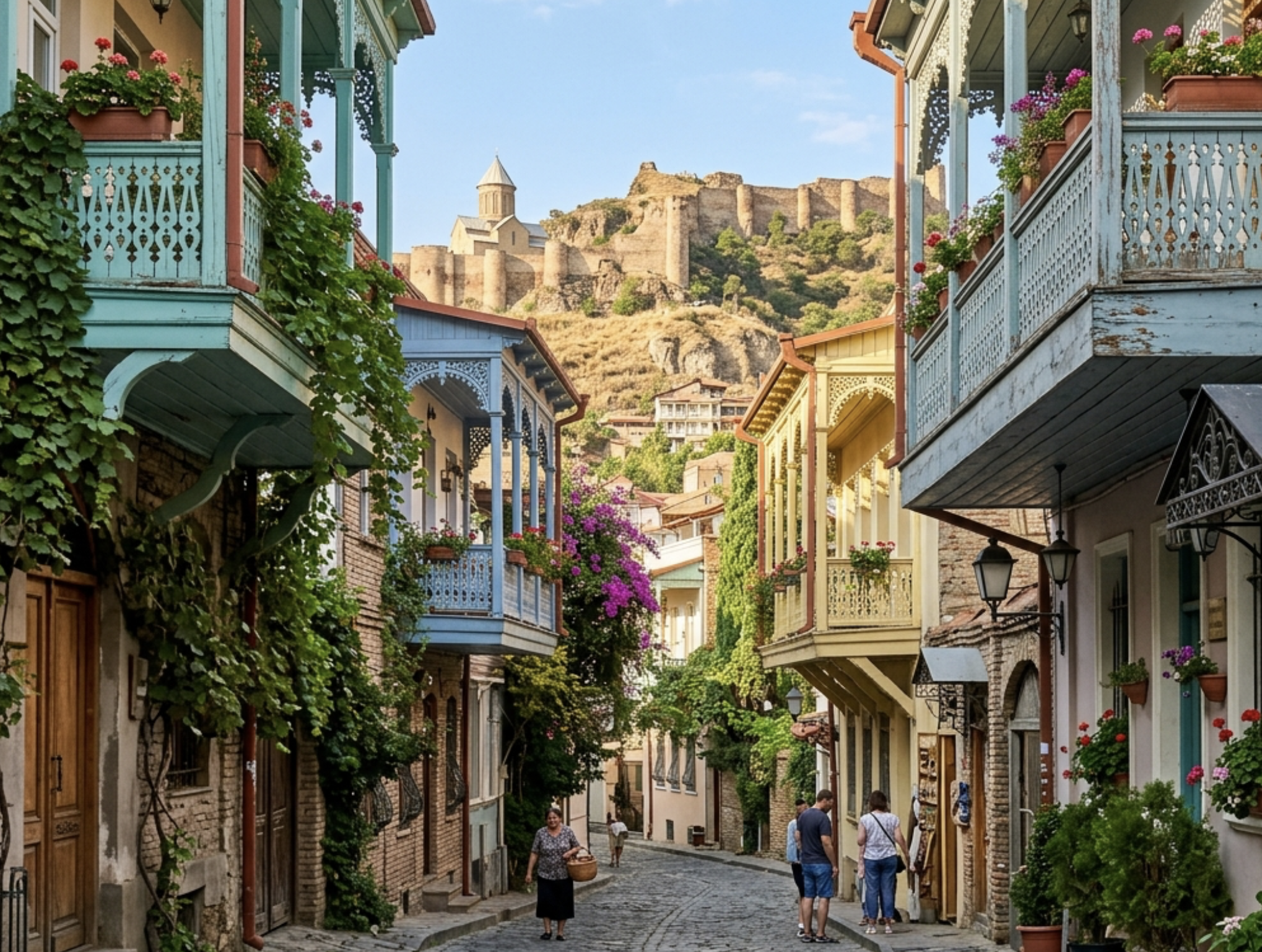
Welcome to Georgia! Most flights from the US land in the small hours, so we've booked your room from the night before. A private driver takes you straight to our hotel in the heart of the old city. It's one of the last surviving caravanserais in Tbilisi, where trade caravans once stopped for the night on the Silk Road. You can check in right away and get a few hours' sleep. After a leisurely breakfast, we meet our guide at the Orbeliani Sulphur Baths, where Tbilisi began. Legend says King Vakhtang Gorgasali found hot springs here in the 5th century, and the city takes its name from tbili, "warm." The group has a private room for an hour's soak.

After lunch at a local café, we explore on foot: the Dry Bridge flea market, Narikala Fortress and Metekhi Church above the Mtkvari River. In the evening we toast the start of our journey at one of the city's most celebrated restaurants.

Meals: Breakfast, Lunch, Dinner


Day 2: Silk Museum, Georgian Spices & Natural Wine

This morning we step inside one of the oldest silk museums in the world (and one of the most charming in Tbilisi), founded in 1887 when Georgia was a center of silk production. Afterwards we stay for a hands-on workshop in the museum's studio to make a small silk keepsake to take home.

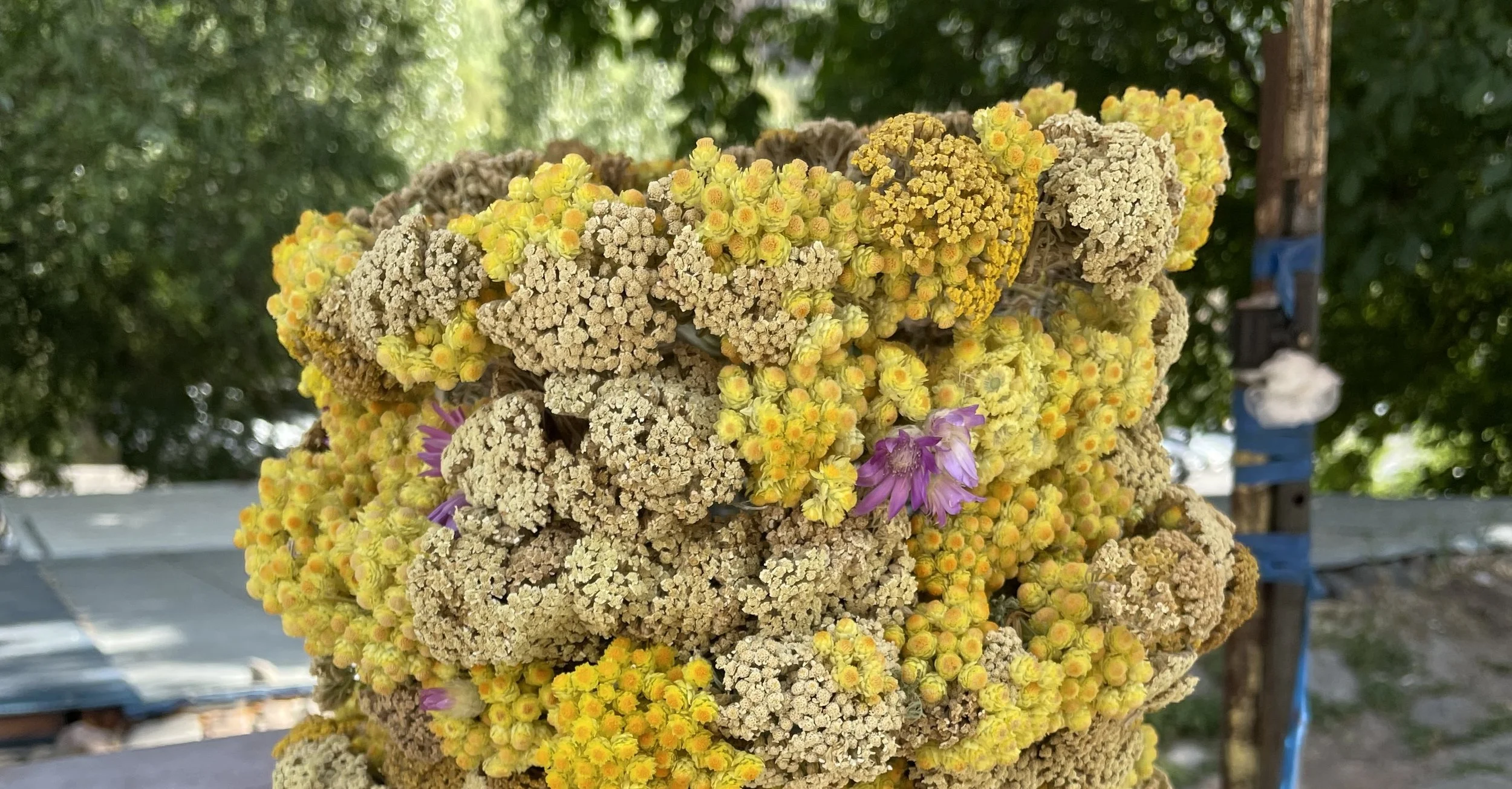
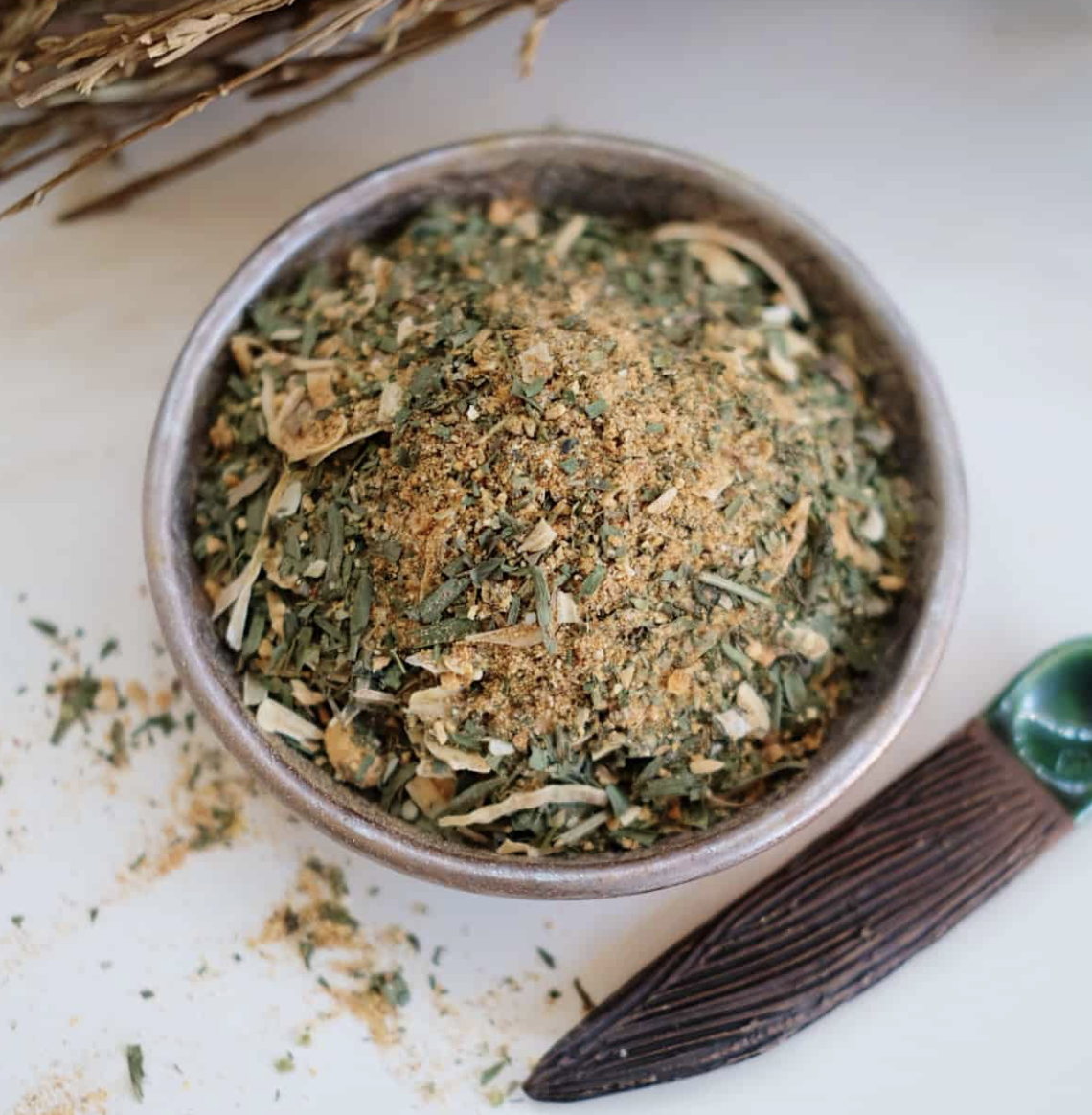
For lunch, the owner of a small spice blend company introduces us to the flavors that make Georgian food unlike any other. The heart of it is khmeli suneli, literally "dried spices," a blend with no fixed recipe that can hold ten or more herbs and spices. Its backbone is ground coriander, blue fenugreek and dried marigold petals (known as Imeretian saffron), often with dill, summer savory and mint. After some free time, we’ll walk to one of the natural wine bars nearby for a tasting, our first introduction to the amber and red wines made in clay qvevri. We end the day with dinner in the city.

Meals: Breakfast, Lunch, Dinner


Day 3: Tbilisi → Telavi, Kakheti

We leave the city by the winding Gombori Pass and drop into Kakheti, Georgia's great wine region. Our first stop is the forest monastery of Shuamta, then a short visit to Telavi's main square and the small palace of King Erekle II, one of Georgia's best-loved kings.

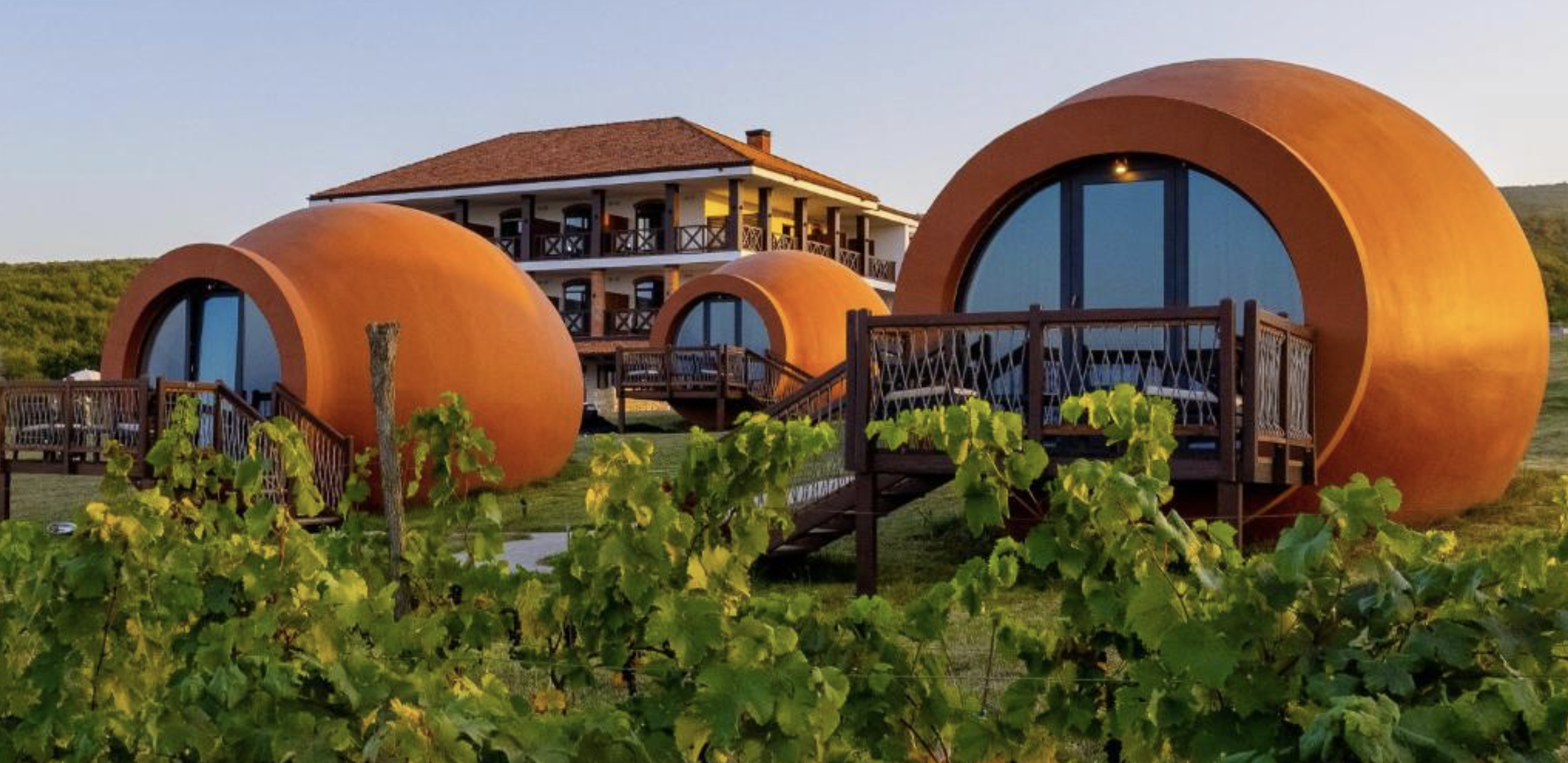
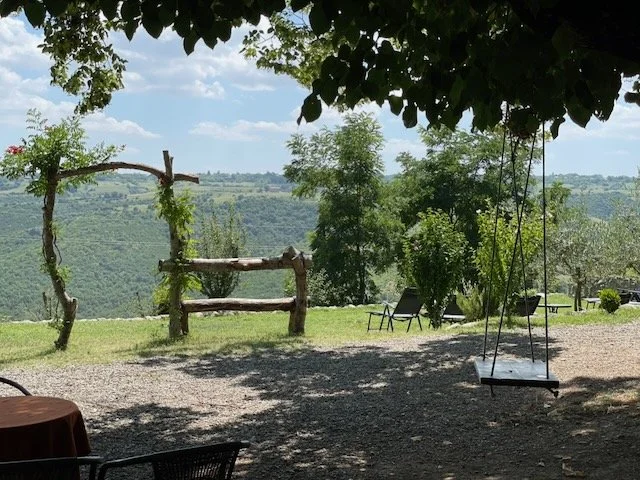
At lunchtime we're welcomed by a winemaker and his family whose home doubles as their cellar and tasting room and looks out across the Alazani Valley to the Caucasus. His natural qvevri wines come from unirrigated vineyards beside the Satlianiskhevi River and have found fans as far away as New York. We taste them in the cellar, then sit down to a home-cooked lunch with the family. In the afternoon we will visit the Tsinandali estate, with its house museum and 19th-century wine cellar. We will also stop at their jewelry shop with its own small museum. Check in at our hotel in Shaluri follows afterward where we will sleep in cottages built in the shape of a qvevri, the great clay vessel at the heart of Georgian winemaking, scattered across a hillside facing the Caucasus.

Meals: Breakfast, Lunch


Day 4: Textiles and Kakheti's Natural Winemakers

We start at a textile workshop for a talk on Georgian kilims and natural dyes over tea and homemade jams. Afterwards, we visit Alaverdi Monastery, one of the great monuments of medieval Georgia, which was founded in the 6th century on what had been a pagan shrine to the moon. Its cathedral was the tallest church in Georgia for almost 1,000 years.

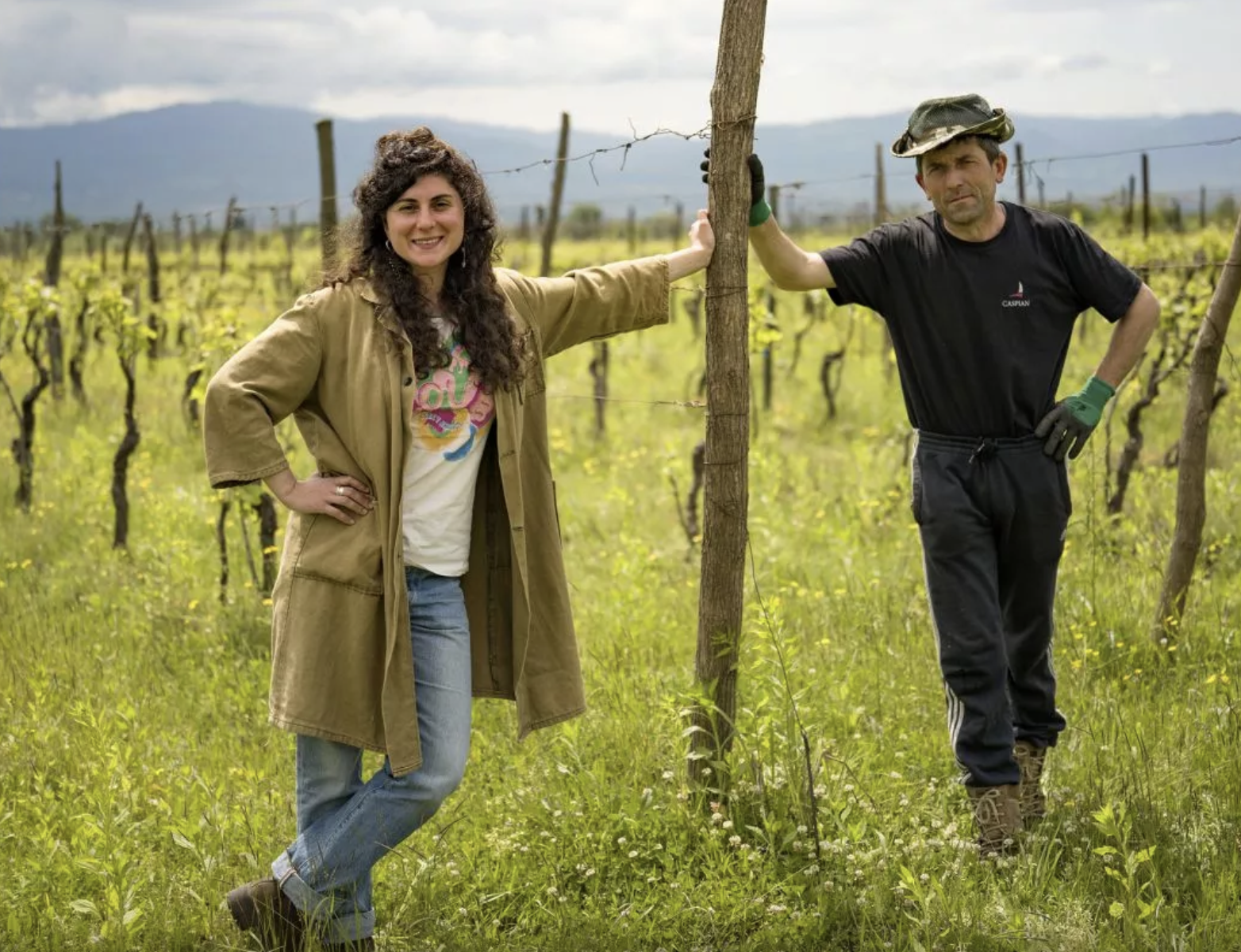
Lunch is with a family in Zemo Alvani who, besides making qvevri wine, grow old Georgian wheats such as Dika and Doli. We learn to fold khinkali, then sit down to a Tushetian lunch with mountain tea and their wines. In the afternoon we visit a father-and-daughter winery in Artana. They farm about four hectares organically, bring the grapes down from the vineyard by horse, tread them by foot and ferment them with wild yeasts in buried qvevri, adding nothing at all. Expect amber wines that spend up to seven months on their skins, blends of red and white grapes fermented together, and a Saperavi red. The daughter makes them under her own label, GOGO, Georgian for "girl." Evening at leisure.

Meals: Breakfast, Lunch


Day 5: Kakheti → Kartli

We say goodbye to Telavi and drive to the hills around Sighnaghi for a short walk with views over the Alazani Valley. Lunch is at an inn, ranch and craft brewery in the tiny village of Qedeli, known for seasonal cooking, its own beers and wide views across the hills.

In the afternoon we leave Kakheti for Kartli, Georgia's historic heartland, where the wines turn lighter and fresher, and in the Ateni Valley we find our first sparkling wine, Atenuri. For two nights we stay with a winemaking family at their guesthouse and cellar, our home base for exploring the valley's village bread ovens, family cellars, medieval frescoes and an ancient cave town. Tonight we settle in and share our first dinner at the family table.

Meals: Breakfast, Lunch, Dinner


Day 6: The Ateni Valley, Uplistsikhe

Our host, an art historian and former Minister of Culture, leads a walking tour of his valley, once a road for ideas traveling from Byzantium. In Didi Ateni we watch a local family bake tonis puri, Georgia's traditional bread, in their clay oven, then share their homemade wine in the courtyard. We climb to a hilltop church with views over the valley, then stop at a neighbor's 19th-century house and cellar to taste the Atenuri they make there.

We lunch at our host's winery, set among centuries-old terraces carved into volcanic rock. In the afternoon we explore Uplistsikhe, the "Fortress of God." This cave town is cut into a rocky plateau and dates back to the first millennium BC, with great halls, winding streets, pagan temples and the remains of one of Georgia's oldest theaters. Then it's back to the guesthouse for some free time, a simple, home-style supper with the family and a quiet evening.

Meals: Breakfast, Lunch, Dinner


Day 7: Ateni → Kutaisi

This morning we cross the mountains into Imereti and western Georgia, a greener, gentler land of small farms and family vineyards, where the wines are fresher and lighter than in the east. On the way we visit the studio of one of the few master potters who still make qvevri by hand. He shows us how the great egg-shaped clay vessels are built, coil by coil, and explains why the best Georgian wine is still made in them.

Midday brings us to the family cellar of one of the pioneers of Imereti's natural wine movement, where we taste his wines with a few Imeretian bites. We continue to Kutaisi, one of the oldest cities in the world. Legend links it to Colchis, the kingdom of Jason and the Golden Fleece, and in the 11th and 12th centuries it was the capital of a united Georgia in its golden age. Our boutique hotel occupies a 19th-century townhouse in the old quarter, with just ten individually decorated rooms and a garden. We rest before an evening walking tour and dinner in town.


Day 8: Martvili Canyon, Megrelian Wine & Georgian Tea

We start at the local farmers market in the morning, then drive into Samegrelo to Martvili Canyon, where the Dadiani dukes once spent their summers. A boat takes us up the Abasha River between white limestone walls, and the water turns deep blue or green with the light.

Samegrelo is known for the spiciest, most walnut-rich cooking in Georgia, and we taste it at lunch in a family wine cellar. The family makes natural wines from rare local grapes, which were traditionally grown up into the trees, and gives Megrelian classics a modern twist. On the way back, roads permitting, we visit the Renegade Tea Farmers. In 2017, a group of friends from Estonia and Lithuania brought three abandoned Soviet-era plantations back to life near Kutaisi, some untended for 30 years. Tasting their black, green, white and oolong teas side by side shows how much the processing changes the flavor. The evening is free; the hotel's own restaurant is an easy choice for dinner on your own.

Meals: Breakfast, Lunch


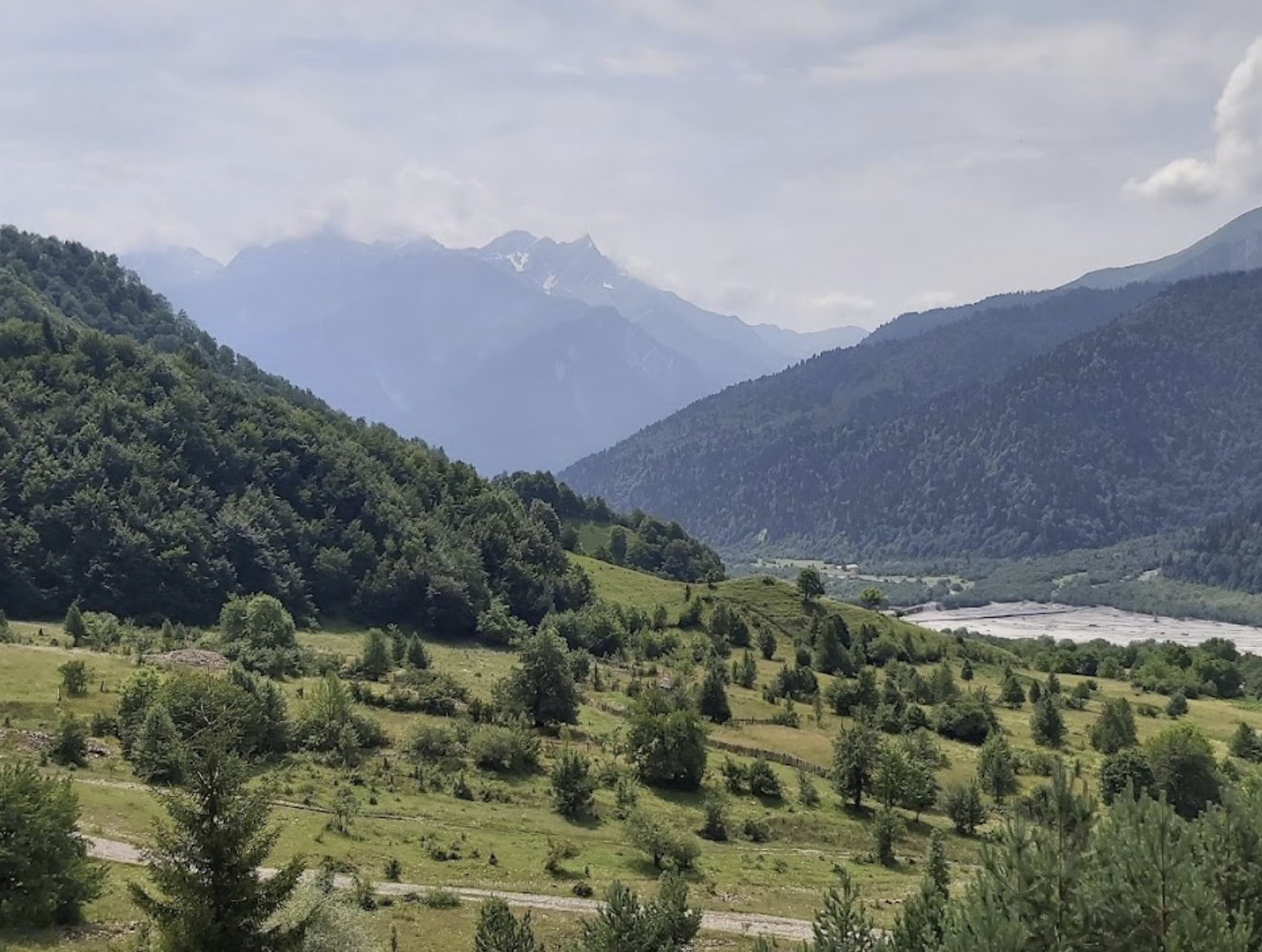
Day 9: Kutaisi → Racha

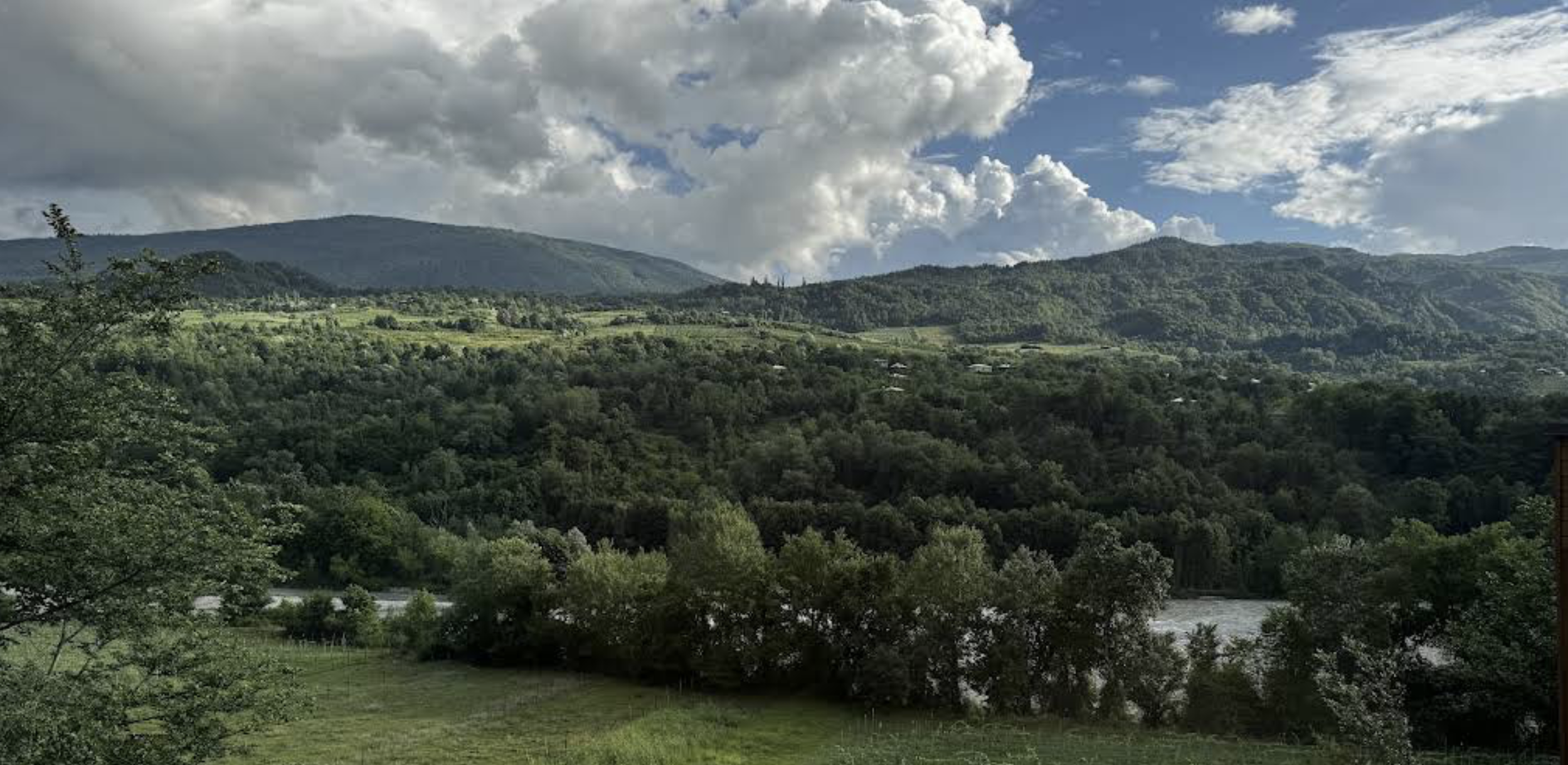
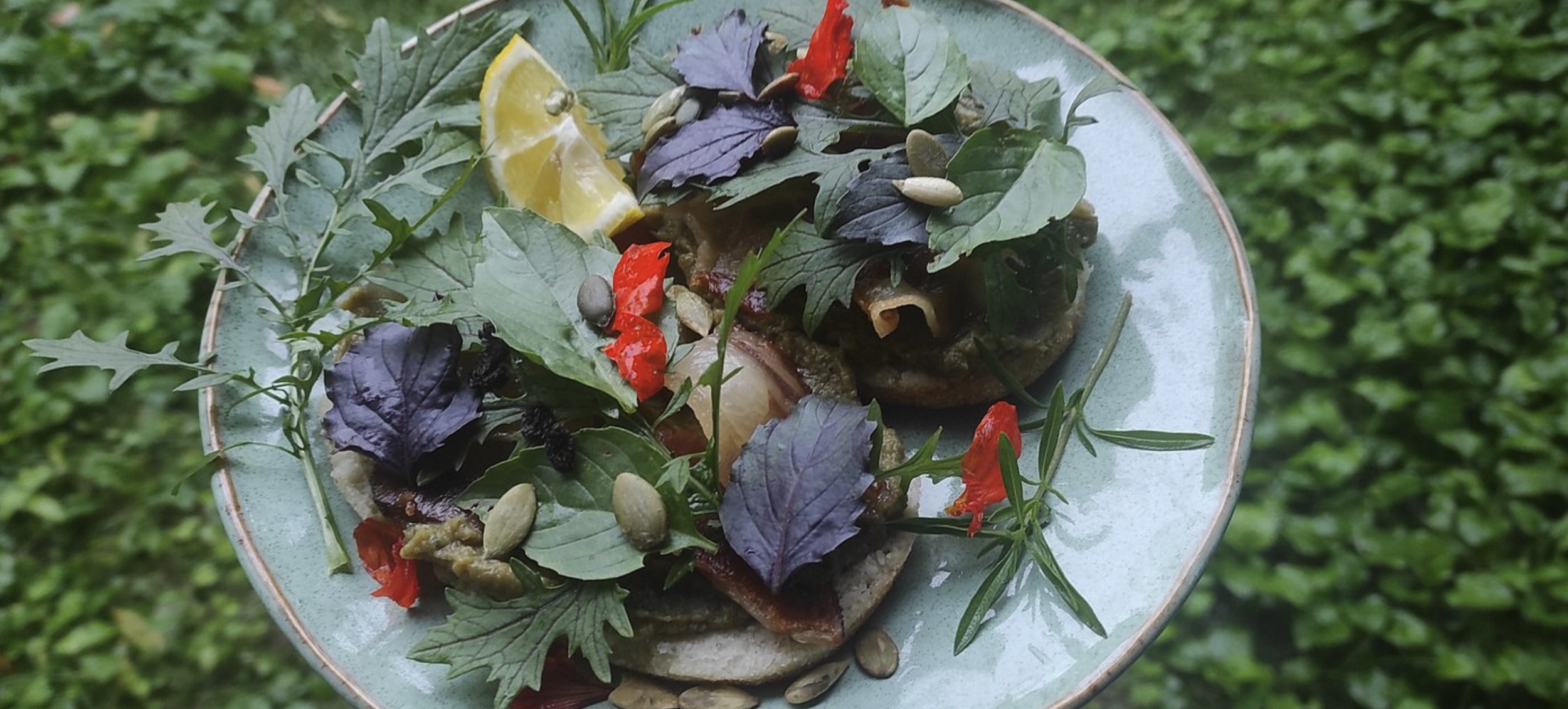
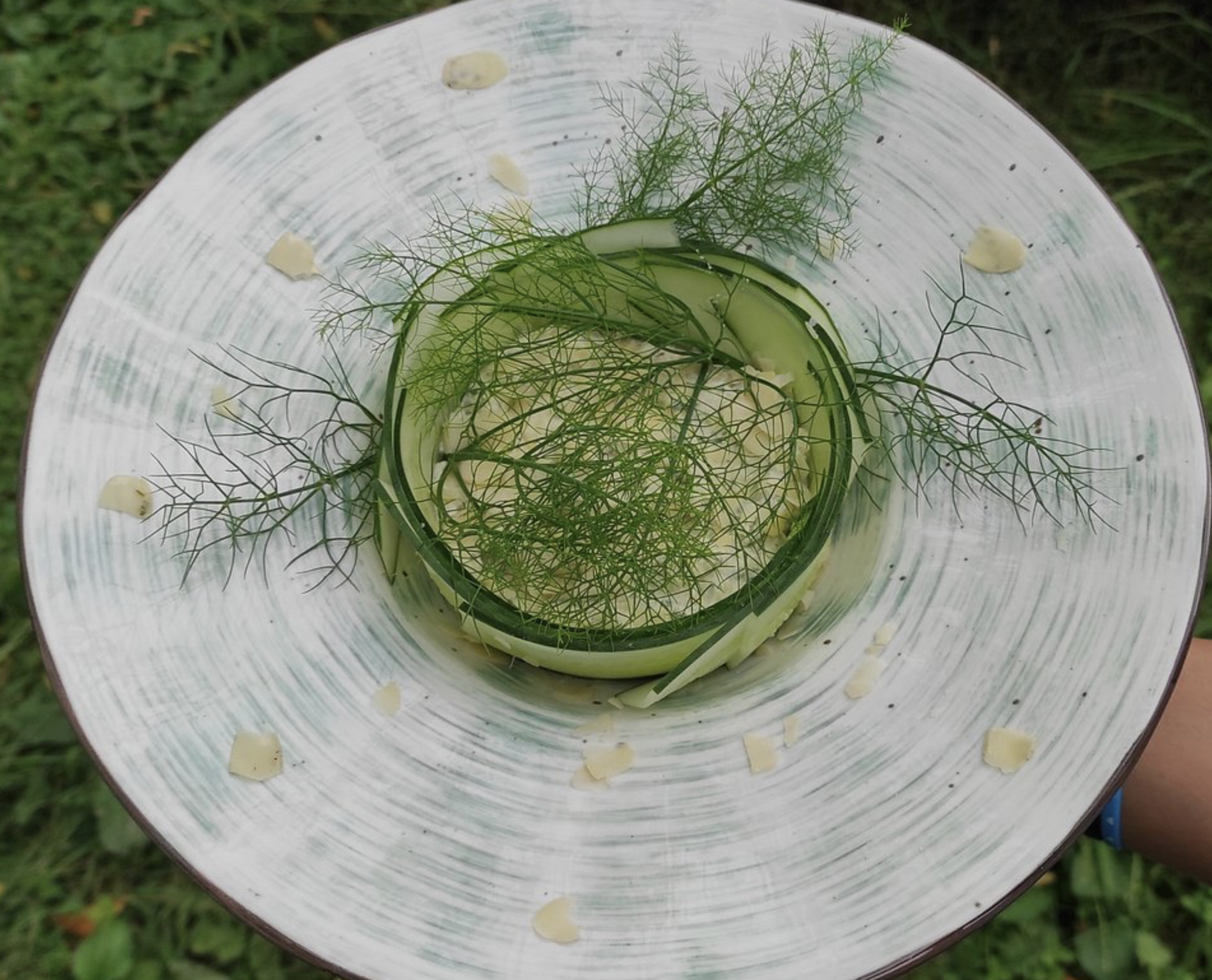
A two-hour drive takes us up into Racha, a mountain region of river valleys and small vineyards in northern Georgia, where we meet our local guide. Lunch is a farm-to-table introduction to Rachian cooking with a local chef and her family. She starts by laying out the mountain harvest (beans, corn, quince, wild mushrooms, honey, walnuts and herbs), then shows how Rachian families turn it into foods that last through the long mountain winter: smoked ham and cheese, corn flour, adjika, fruit preserves and dried fruit.

Then we sit down to lunch, with each dish shown beside its raw ingredients, such as clay-pot beans or mchadi cornbread, along with her family's wines. Before we leave, everyone creates one small bite "that explains Racha" and shares the story behind it. Dinner is with a winemaker in his home village of Khvanchkara. He spent years abroad before coming home to plant his own vines, and he makes the village's namesake wine, a naturally semi-sweet red from Aleksandrouli and Mujuretuli grapes grown on tiny sunny slopes. We spend the night in Racha.


Day 10: Racha → Tbilisi

After breakfast we leave the mountains of Racha and drive straight back to Tbilisi, arriving in the early afternoon. Lunch is on your own in the old city.

The afternoon is yours. Gallery 27 on Asatiani Street in Sololaki, close to the hotel, is a good place for last gifts. That evening we gather at a Tbilisi wine restaurant for our farewell dinner. Dishes from each region we've visited are paired with that region's wines, and the evening is filled with Georgia's famous polyphonic singing.

Meals: Breakfast, Dinner


Day 11 - Armenian itinerary being finalized. Register above for more information.


Next
Next

My Vietnam with Mary Aregoni